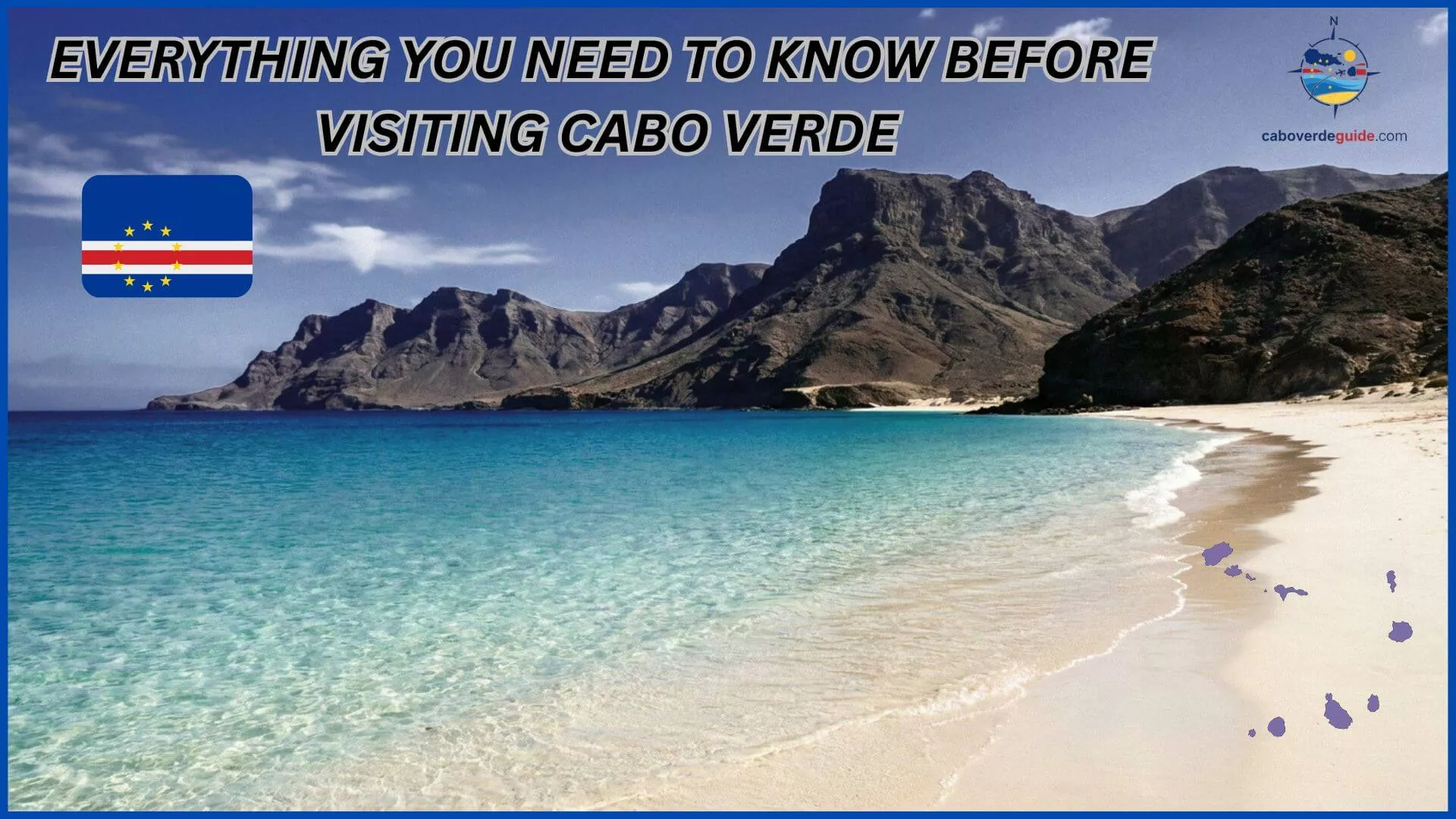
Everything You Need to Know Before Visiting Cabo Verde
Cabo Verde is one of those destinations that quietly does everything right: reliable sunshine, ten islands with completely different personalities, and a culture warm enough that locals have their own word for it—morabeza. Whether you’re chasing beach days, mountain trails, or live morna music, this Atlantic archipelago rewards travelers willing to explore beyond a single resort strip.
Cabo Verde has spent the last few years building a reputation well beyond its beaches. Direct flights from Europe have improved, its blend of African setting with Portuguese and Creole influence has drawn cultural travelers, and the combination of sun, hiking, and easy island-hopping makes it flexible enough for almost any trip style.
This guide walks through where Cabo Verde is, which island fits your travel personality, when to go, the entry rules you actually need to follow in 2026, realistic costs, food, safety, and the small cultural habits that make a trip smoother.
Where Is Cabo Verde?
Location and Geography
Cabo Verde sits in the Atlantic Ocean off the west coast of Africa, made up of ten inhabited islands. Geographically, it’s closer to Africa than Europe, but its atmosphere leans heavily Creole—a mix shaped by centuries of Portuguese colonial history layered onto African roots.
A Quick Look at the Islands
The country’s official tourism portal presents its ten main islands as a mix of beach, culture, and nature destinations, each with a distinct identity rather than a single resort formula. Travelers typically split them into two groups: the Windward islands in the north and the Leeward islands in the south, and most trips combine two or three rather than attempting all ten.
Why Visit Cabo Verde?
Stunning Beaches
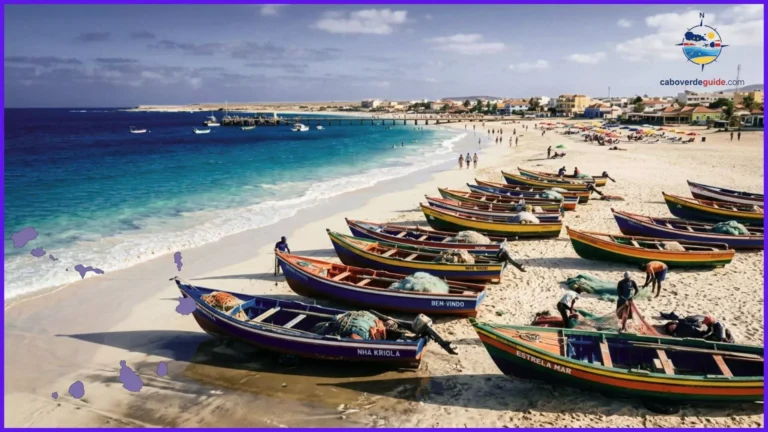
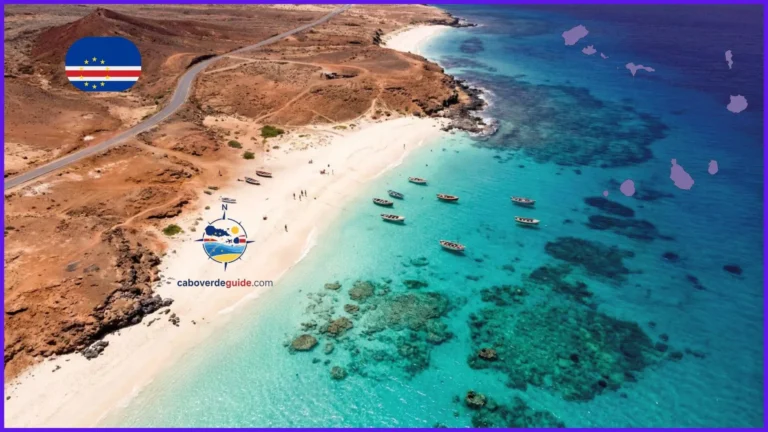
Cabo Verde’s international reputation rests largely on its beaches, especially on Sal and Boa Vista, where long sandy stretches and clear water support both relaxed resort holidays and serious water sports. Swimmers, kitesurfers, windsurfers, and divers all find their niche here.
Diverse Landscapes
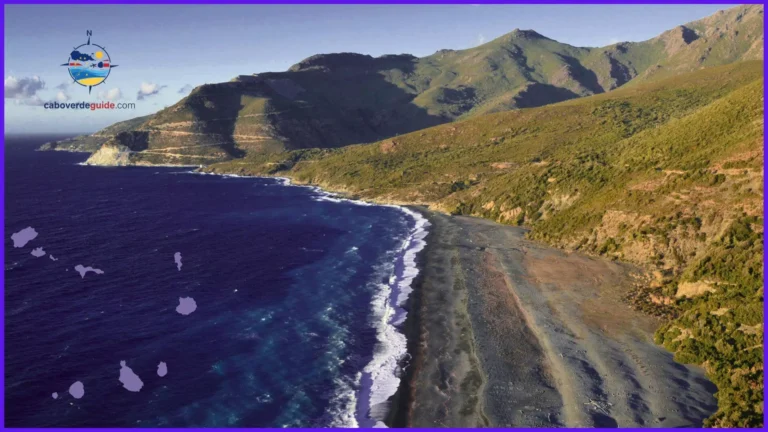
Beyond the coastline, the islands offer mountain trails, volcanic terrain, dry plains, and dramatic cliffs, giving Cabo Verde far more range than a typical sun-and-sea destination. The tourism board actively promotes adventure and mountain landscapes as core experiences, not afterthoughts.
Rich Culture and Music
Music sits at the heart of Cabo Verdean identity, and the official tourism site treats culture and art as equal pillars alongside beaches and nature. Morna remains central to the national image, and the festival calendar—including the Kriol Jazz Festival, Baía das Gatas Festival, and Morna Jazz Festival—gives culturally minded travelers real reasons to plan around specific dates.
Year-Round Sunshine
Warm weather nearly all year, paired with low rainfall, is one of Cabo Verde’s strongest selling points. That consistency is exactly why it works so well as a winter sun escape or shoulder-season break from Europe.
Best Time to Visit Cabo Verde
Weather Throughout the Year
The dry season, roughly November through June, is the most commonly recommended window, with low rainfall and comfortable conditions for both sightseeing and beach time. Rain becomes more likely between late summer and early autumn, though showers tend to be brief and the islands stay warm regardless.
Best Months for Beach Holidays
November to June is generally the safest bet for classic beach weather with minimal rain, and November through March is especially popular for travelers chasing winter sun.
Best Time for Hiking and Outdoor Activities
Cooler months, particularly January to March, tend to be most comfortable for hiking, especially on the more mountainous islands like Santo Antão. The tourism board promotes outdoor adventure year-round, but drier, cooler stretches genuinely suit long treks better.
Festival Season Highlights
The official events calendar is busy throughout the year, spanning Carnival, the Kriol Jazz Festival, São João Festival, Baía das Gatas Festival, and Mindelact. If festivals matter to your trip, plan around the specific island event rather than around weather alone.
Entry Requirements and Visa Information
Do You Need a Visa?
Visa rules depend heavily on nationality. Citizens of the EU, UK, US, Canada, Brazil, and most African countries are visa-exempt for short tourist stays of up to 30 days, but that’s changed for others: under Decree-Law No. 13/2025, nationals from 91 specific countries—including Mexico, Colombia, and several Asian and African nations—can no longer get a visa on arrival and must apply in person at a Cabo Verdean embassy before departure. British citizens specifically can enter as tourists for up to 30 days without a visa, according to UK government advice.gov+1
Passport Requirements
Regardless of visa status, your passport needs at least six months of validity remaining beyond your arrival date. A damaged, invalid, lost, or stolen passport can lead to refused entry, so it’s worth double-checking before you book.portalconsular.mnec.gov
Airport Security Tax and Registration
This is the part travelers most often overlook. Every visitor—visa-exempt or not—must pre-register through the official EASE platform and pay the Airport Security Tax (TSA), currently around 3,400 CVE (roughly €31) for international arrivals. UK government guidance confirms this should be completed at least five days before arrival, and from 1 July 2026, travelers who haven’t pre-registered or can’t show proof face double the TSA fee at the border—jumping to around €62-64. Local reporting on this penalty has been somewhat inconsistent, with some sources noting the doubled fee was briefly suspended before being reinforced in 2026, so it’s worth registering early regardless.caboverde24+4
Important Travel Documents to Carry
Bring your passport, proof of onward or return travel, accommodation confirmation, and your EASE/TSA registration proof. If you’re arriving from a country with yellow fever transmission risk, you’ll also need a valid yellow fever vaccination certificate.gov
Choosing the Right Island in Cabo Verde
Sal Island
Sal is the easiest entry point for first-time visitors, built around beaches, resorts, and water sports with the archipelago’s most developed tourism infrastructure.
Boa Vista
Boa Vista offers wide beaches and dune landscapes with a slower rhythm, ideal for travelers who want rest and open space over activity.
Santiago
Santiago is Cabo Verde’s historical and cultural anchor, home to Cidade Velha—the country’s UNESCO World Heritage Site—and the capital city, Praia.
São Vicente
São Vicente, centered on the city of Mindelo, is closely tied to music, festivals, and creative culture, making it the pick for nightlife and live music.
Santo Antão
Santo Antão is the clear choice for hiking and mountain scenery, with dramatic valley trails that outshine anything on the flatter beach islands.
Fogo
Fogo revolves around its active volcano and striking volcanic terrain, appealing most to travelers drawn to geology, trekking, and landscapes that feel genuinely different.
How to Get Around Cabo Verde
Domestic Flights
Domestic flights are the most practical way to cover distance between islands quickly, and the tourism board highlights them as the go-to option for combining islands that sit far apart.
Ferries Between Islands
Ferries offer a scenic, cheaper alternative, but schedules aren’t always convenient for tight itineraries—build in flexibility if your plan depends on them.
Taxis and Local Transport
Taxis handle short distances and airport transfers easily on the main tourist islands, while shared local transport exists in towns, though comfort and predictability vary island to island.
Renting a Car
Renting a car makes the most sense on islands where you want to explore inland scenery at your own pace, and it’s far less necessary on resort-heavy islands where most travelers stay close to the beach.
Accommodation Options
Cabo Verde spans everything from beach resorts to simple guesthouses, reflecting the tourism board’s broad positioning of the destination rather than a one-size-fits-all approach. Luxury travelers gravitate toward Sal and Boa Vista, while independent travelers often find better value in guesthouses on cultural or hiking islands like Santiago and Santo Antão.
Eco-lodges and distinctive stays tend to shine on nature-focused islands, where the landscape itself is part of the appeal rather than just scenery outside a resort window. In practice, matching accommodation to island style matters more than chasing star ratings alone.
What Does a Trip to Cabo Verde Cost?
Cabo Verde runs mid-range to fairly expensive by West African standards, particularly on resort islands where imported goods and tourism infrastructure push prices up. Budget-conscious travelers can keep costs down by sticking to local guesthouses, eating simply, and limiting the number of inter-island flights.
Your daily budget depends heavily on which islands you choose—beach resorts and packaged stays cost noticeably more, while Santiago or Santo Antão offer more flexibility for independent travel. Inter-island transport is often the line item that catches people off guard, so factor it in early.
Food and Drinks You Must Try
Cachupa, the national dish, is the single clearest food experience to seek out, and fresh seafood is a staple everywhere thanks to the country’s Atlantic setting. Beyond that, local desserts and traditional drinks round out the wider Creole food culture the tourism board actively promotes.
Cabo Verdean food tends to be simple, filling, and closely tied to local identity rather than dressed up for tourists—part of what makes eating here feel authentic.
Safety Tips for Travelers
General Safety Overview
Cabo Verde is generally manageable for tourists, though normal precautions still apply, especially in busier urban areas around valuables. Stay aware of your surroundings, use licensed transport where possible, and avoid flashing expensive items unnecessarily.
Health and Medical Advice
Travel insurance and routine pre-departure health checks matter here, as medical facilities on smaller islands can be limited. Travelers arriving from yellow fever risk countries need proof of vaccination.
Sun Protection Tips
The year-round warmth and dry conditions make the sun more intense than it feels. High-SPF sunscreen, a hat, light clothing, and consistent hydration aren’t optional extras—they’re essentials.
Emergency Contacts and Assistance
Save your airline details, accommodation contacts, insurance support numbers, and consular information before you arrive. Official government travel advisory pages are the best source for the latest entry and safety updates.
Local Culture and Etiquette
Portuguese and Cape Verdean Creole shape daily life, reflecting the country’s African, Portuguese, and Creole heritage, and a few greetings in either language go a long way. Respectful, patient interactions matter, especially outside resort zones where tourism infrastructure thins out.
Tipping practices are flexible, but small tips are generally welcomed when service has been good. Taking time to greet people properly before getting to business tends to be appreciated across the islands.
Top Things to Do in Cabo Verde
- Relax on Santa Maria’s beach scene on Sal for classic sun-and-sea time
- Hike the mountain trails of Santo Antão for some of the archipelago’s best landscapes
- Visit the volcanic terrain of Fogo for a completely different side of Cabo Verde
- Explore Cidade Velha on Santiago, the country’s UNESCO-listed historic site
- Try kitesurfing, windsurfing, surfing, or diving on the beach islands
- Plan seasonal turtle watching where available, especially on islands known for beach wildlife
Packing List for Cabo Verde
Pack light clothing, swimwear, sandals, sunglasses, and a hat for a climate that stays warm through most of the year, plus a light layer for breezy evenings and boat crossings, particularly in windier months. Bring printed or offline copies of your passport, booking confirmations, and your EASE/TSA registration proof.
For hiking islands, add sturdy shoes, a refillable water bottle, sun protection, and a small daypack. These extras matter more than they seem once you’re on a Santo Antão trail with no shade for hours.
Common Mistakes to Avoid When Visiting Cabo Verde
- Visiting only one island and assuming it represents the whole country, when landscapes and culture shift dramatically between them
- Underestimating the sun and wind, which catches even experienced beach travelers off guard
- Leaving inter-island transport booking too late, which narrows options and complicates itineraries
- Ignoring local customs by sticking only to resorts, missing much of what makes Cabo Verde distinctive
Cabo Verde earns its growing reputation by combining reliable sunshine, wildly varied landscapes, and a living culture that feels distinct island to island. The trip works best when you plan around the experience you actually want—beach, hike, or music—rather than treating all ten islands as interchangeable stops on the same itinerary.
Getting the entry paperwork sorted early, especially the EASE pre-registration and TSA payment, saves headaches at the border, and building in a buffer for inter-island transport keeps your trip stress-free. Beyond that, Cabo Verde rewards a bit of island-hopping curiosity far more than a single-resort stay ever could.
FAQ
Is Cabo Verde Expensive?
It can run moderately expensive, especially on resort islands and when booking multiple domestic flights, but independent travel brings costs down considerably.
Is Cabo Verde Safe for Solo Travelers?
Generally yes, provided you use normal precautions and plan transport and accommodation with a bit of care.
Can You Use Euros in Cabo Verde?
The local currency is the Cabo Verdean escudo, and while some tourist businesses accept euros, it’s worth checking current official guidance before you travel, since acceptance varies by location.
How Many Days Do You Need in Cabo Verde?
A single-island break works well in 5 to 7 days, while a proper multi-island trip usually needs 10 to 14 days to avoid feeling rushed.
Which Island Is Best for First-Time Visitors?
Sal is usually the easiest first choice thanks to its beaches and tourism infrastructure, while Santiago or São Vicente suit travelers who want more culture from day one.