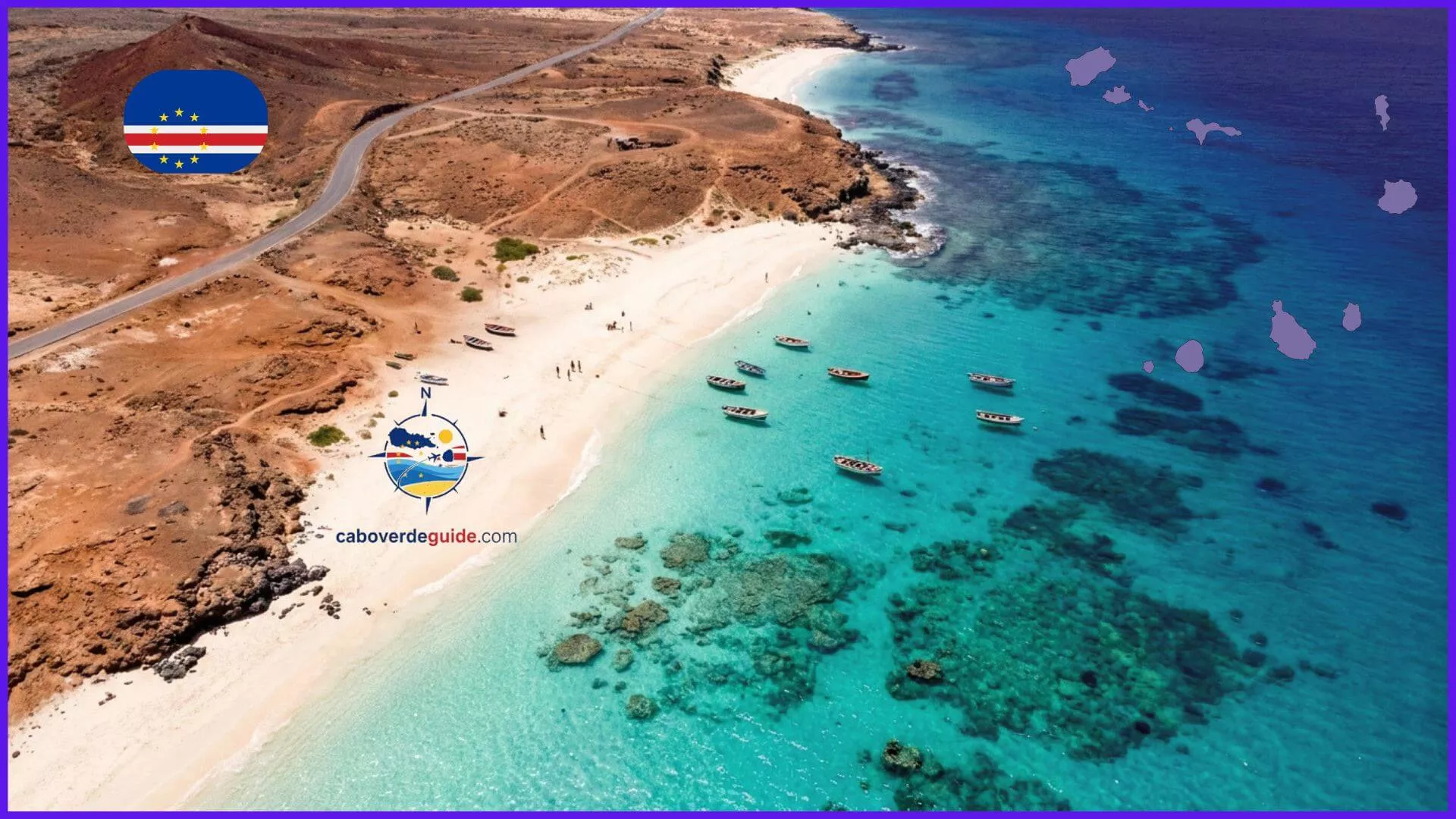
Best Time to Visit Cabo Verde: Weather, Events & Tips
Where the Atlantic Sings
So, Cabo Verde. Ten little volcanic islands just chilling in the Atlantic off West Africa, and honestly, they don’t get nearly enough hype. Some islands are dry and dusty in a cool desert way, others are green and mountainous, and basically all of them get sunshine like it’s their job.
Here’s the thing though: “great weather all year” doesn’t mean “show up whenever and it’ll be perfect.” Depending on when you go, you could get calm turquoise water or waves that’ll mess up your hair for days, a wild carnival street party or peaceful empty trails, and prices that are either totally reasonable or kind of ouch. So let’s break down when to actually go, depending on what kind of trip you’re after.
Let’s Talk Weather First
Basically Endless Sunshine
Cabo Verde has this tropical desert climate thing going on, which is a fancy way of saying: it’s warm almost all the time, it barely rains, and the sun shows up to work every day. Temps sit around 22–29°C most of the year, so you really don’t need to stress about “bad weather” the way you might for, say, a UK holiday.
Two Seasons, Not Four
- Dry season (November–July): This is the big one. Sunny, low humidity, barely any rain.
- Rainy season (August–October): Short, punchy tropical showers, not the depressing all-day drizzle you might be picturing.
And Then There’s the Wind
Trade winds blow through pretty much constantly, which is amazing news if you’re into kitesurfing or windsurfing, and slightly less amazing if you just want to lie on the beach without sand blasting your face. Worth knowing before you pack.
Best Time to Visit, Season by Season
November to February – The “Everything’s Perfect” Window
This is peak season for a reason. Temps sit at a comfy 22–27°C, rain is basically a non-issue, and it’s prime time for Europeans running from winter. Great for:
- Beach days
- Hopping between islands
- Soaking up the culture
- Taking way too many photos
March to June – Wind, Waves, and “Let’s Get Active”
The wind picks up here, which sounds annoying but is actually amazing if you’re into water sports. This is peak season for:
- Kitesurfing
- Windsurfing
- Sailing
- Diving
Head to Sal, Boa Vista, or São Vicente for the best action.
July to October – The Green, Quiet Months
Rain shows up here and there, and the islands turn a lovely green (especially the mountainous ones). It’s the trade-off season, basically:
Good stuff: fewer crowds, cheaper stays, prettier scenery
Not-so-good stuff: more humidity, occasional rain messing with plans
Month-by-Month Cheat Sheet
- January: Mild, sunny, great beach weather
- February: Carnival! Parties everywhere
- March: Prime surfing/kitesurfing time
- April: Warm, dry, and pleasantly uncrowded
- May: Honestly one of the best value months
- June: Long sunny days, great for diving
- July: Getting warmer, fewer tourists around
- August: Rain season kicks off, but the vibe is lively
- September: Everything’s green and gorgeous
- October: Weather starts drying out again
- November: Comfortable temps return, great for adventures
- December: Festive, busy, holiday energy everywhere
Best Time for Beach Life
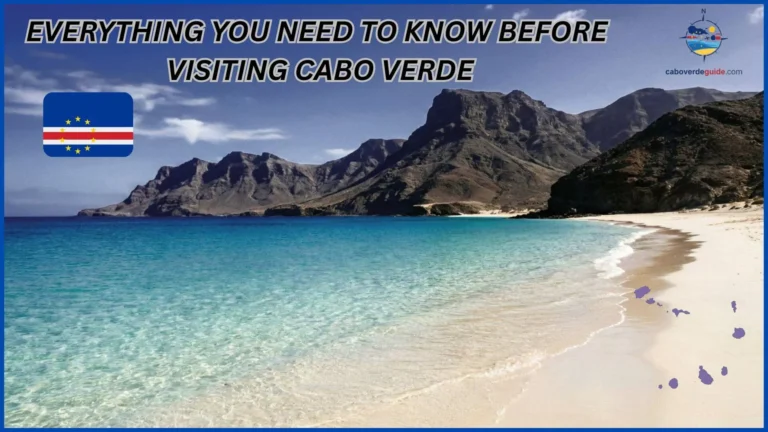
November through June is your sweet spot—calm seas, clear skies, zero drama. Sal, Boa Vista, and Maio are your best bets for classic beach vibes.
Best Time for Water Sports Fans
December to April is prime wind season. Kitesurfing, windsurfing, surfing—it’s all happening. Santa Maria on Sal, plus Boa Vista and São Vicente, are the spots.
Best Time for Hiking
If you’re more of a “let’s climb a volcano” person than a “lie on a beach” person, aim for November to April—it’s cooler and way more pleasant for hiking. Santo Antão, Santiago, and Fogo are the islands to check out, and don’t skip the Pico do Fogo Volcano or Ribeira Grande Valley.
Fun Festivals Worth Planning Around
- Carnival (February): São Vicente throws the biggest party, with parades, costumes, and music everywhere
- Baía das Gatas Music Festival (August): Huge beachside music festival, seriously worth catching if you’re around
- São João Festival (June): Traditional celebrations with dancing and drumming
- Independence Day (July 5): National celebrations across the islands
If You’re Watching Your Budget
May, June, September, and October are your cheapest months to visit. A few tips:
- Book flights early (seriously, don’t wait)
- Skip major holiday weeks if you can
- Guesthouses are cheaper and honestly more fun than big resorts
Is There a Bad Time to Go?
Not really! Cabo Verde works pretty much year-round. August and September might throw some rain your way, and windy months can make swimming a bit choppy for beginners, but nothing that’ll ruin a trip.
Best Time by Island
- Sal: November–April
- Boa Vista: December–May
- Santo Antão: November–March
- Fogo: November–February
- Santiago: November–April
- São Vicente: February for Carnival, March–May for beaches
Quick Travel Tips
Packing: Light clothes, sunscreen, a windbreaker (trust me), and shoes you can actually hike in.
Money: Local currency is the Cape Verdean Escudo (CVE). Cards work in bigger towns, but keep cash handy for smaller spots.
Getting around: Flights and ferries connect the islands, but schedules can be a bit unpredictable, so build in some flexibility and don’t plan super tight connections.
Final Thoughts
Whether you’re chasing winter sun, Atlantic winds, or a good volcano hike, Cabo Verde’s got a season that fits. Honestly, there’s no wrong time to go—just different flavors of amazing depending on when you land.
Quick FAQ
Is Cabo Verde warm all year round?
Pretty much, yeah. Temps stay around 22–29°C most of the year.
What’s the hottest month?
August and September, right as the rainy season kicks off.
When’s the rainy season?
August to October, but it’s short bursts of rain, not endless grey skies.
Best island for beaches?
Sal, Boa Vista, and Maio are the classics.
Best month for kitesurfing?
March and April, when the wind’s at its strongest.
Is it expensive?
Not too bad, and it’s even cheaper if you go in May, June, September, or October.
How many days should I spend there?
7–10 days is ideal for exploring a couple of islands, but even 4–5 days on one island is totally worth it.
Best island for hiking?
Santo Antão, hands down.