How Cape Verde’s World Cup Success Sparked Tourism Growth in 2026
So let me tell you about one of the coolest underdog stories of 2026. Cape Verde—yes, that tiny island nation you maybe couldn’t point to on a map before this year—made it to the World Cup. And not just “made it” in a quiet, forgettable way. They showed up, played their hearts out, and honestly stole a piece of everyone’s heart along the way.
Here’s the fun part, though: this wasn’t just a football story. It turned into a full-blown tourism moment. Suddenly, people who’d never even considered Cape Verde as a vacation spot were googling flights, beaches, and “what’s it actually like there?” So let’s dig into how a bunch of guys kicking a ball around sparked a travel boom for an entire country.
Cape Verde’s Historic Journey at the 2026 World Cup
From Underdogs to Global Headlines
A country with fewer people than a mid-sized city, going up against football powerhouses, and somehow qualifying for their first-ever World Cup. That’s the kind of story that makes you put down your phone and actually watch the match.
Every game felt like a nail-biter. Players nobody outside serious football circles had heard of suddenly became the talk of group chats everywhere. It was one of those “wait, who ARE these guys” moments that turns into genuine admiration real fast.
A Tournament That Changed Perceptions
Before this, if you’d asked most people about Cape Verde, you’d probably get a shrug. Small island nation, somewhere off Africa, right? That’s about it.
But the World Cup changed that overnight. News outlets that never touch African football suddenly wanted to know everything—who these players were, what the country looked like, what made this whole underdog story tick. Curiosity about Cape Verde went way beyond the pitch, and fast.
The Global Spotlight Shines on Cape Verde
Millions Discover the Islands for the First Time
We’re talking hundreds of millions of eyeballs on these matches, plus social media doing its thing—clips, memes, highlight reels everywhere. And naturally, once people fell for the team, they started wondering about the actual place. Google searches for “Cape Verde travel” shot up like crazy during and after the tournament.
Honestly, it’s kind of amazing how a viral sports moment can double as the world’s best (and cheapest) tourism ad. No marketing budget could buy that kind of buzz.
How Media Coverage Boosted Destination Branding
Sports reporters covering the games couldn’t resist throwing in little bonus features about the culture, food, and scenery. And travel writers jumped on the trend too, cranking out “hidden gem” articles faster than you could say “Cesária Évora.”
Influencers caught wind of it as well, sharing beach shots, street food videos, and general “you need to see this place” content. It became this whole snowball effect of football fans turning into curious travelers.
Tourism Growth Following the World Cup Success
Increased International Visitor Numbers
And guess what? People didn’t just watch and forget—they actually booked trips. Tourist numbers climbed noticeably during and after the tournament, especially from places like Portugal, France, and the U.S., where there’s already a strong Cape Verdean community.
Even the usual “peak season” rules got a little shaken up, with people showing up during months that used to be pretty quiet.
Higher Demand for Flights and Accommodation
Airlines noticed the demand spike and started adding more flights. Hotels in Sal and Boa Vista were suddenly a lot busier, and smaller boutique stays and Airbnb-type rentals saw a nice bump too—because let’s be honest, everyone wants that “authentic local experience” these days.
Rising Interest in Sports Tourism
Here’s a fun twist: football fans started wanting football-flavored vacations. Think visits to local training grounds, youth academies, even casual pickup games with locals. Some travel companies got creative and started mixing beach time with “let’s go check out where the magic happened” football tours.
Why Travelers Fell in Love with Cape Verde
Spectacular Beaches Framed by the Atlantic
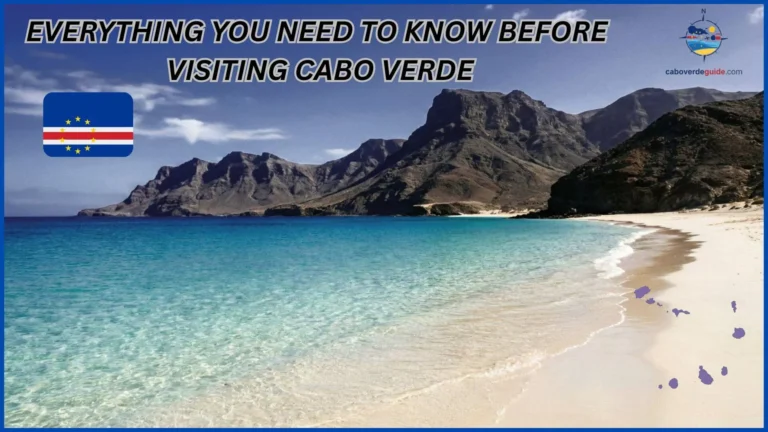
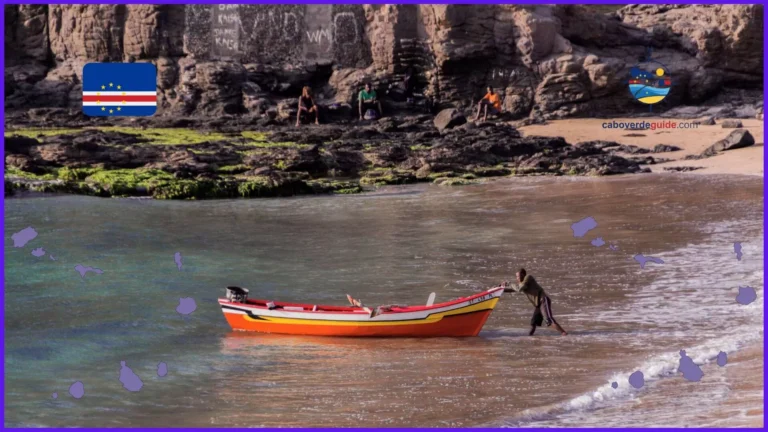
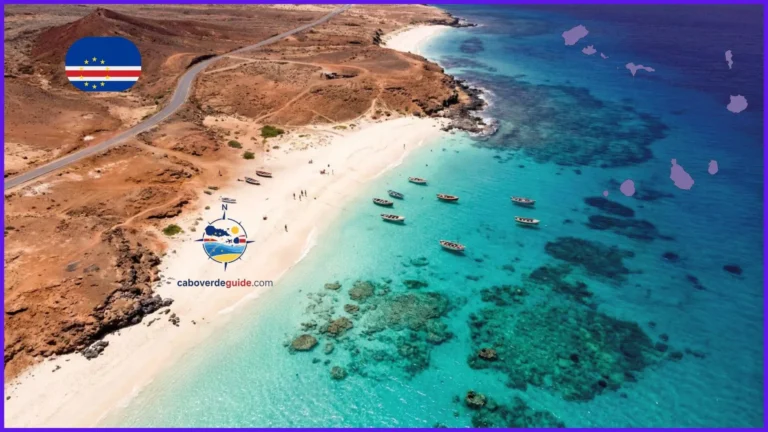
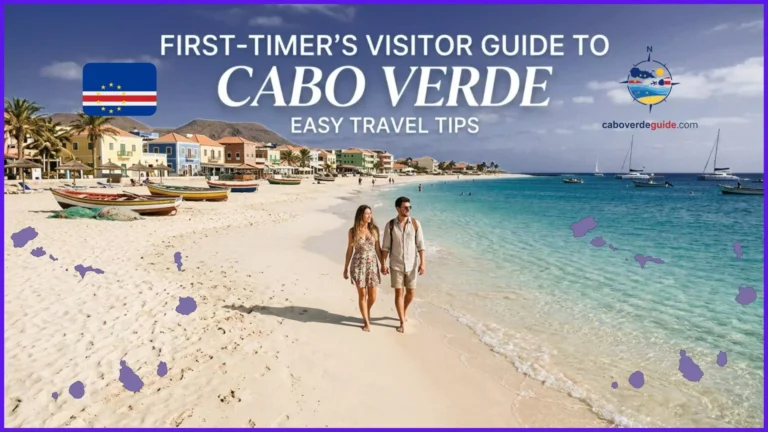
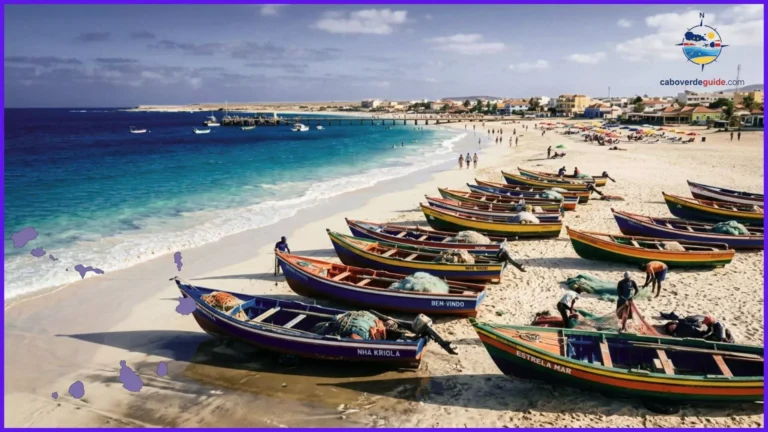
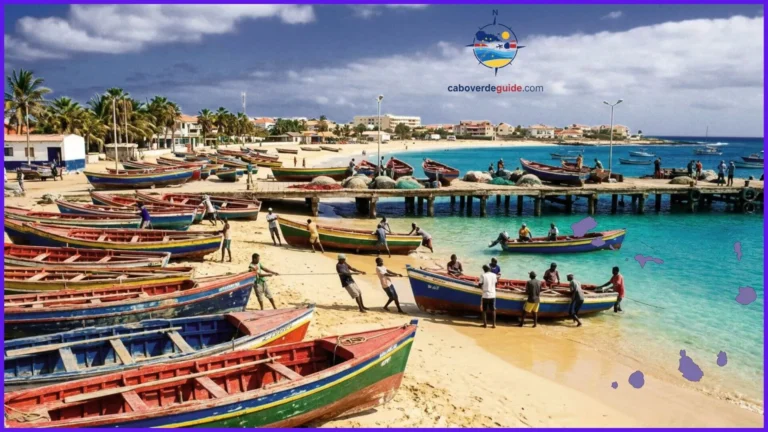
Let’s talk beaches, because Cape Verde really doesn’t play around here. Sal Island has that classic golden-sand, turquoise-water vibe. Boa Vista feels almost otherworldly with its massive dunes meeting the ocean. And if you go exploring a bit, you’ll stumble on smaller, quieter beaches that feel like your own little secret.
A Culture Rich with Music and Soul
If you’ve never heard morna music, do yourself a favor and look it up. It’s soulful, a little melancholic, and deeply tied to Cape Verdean identity—especially thanks to the legendary Cesária Évora. Add in lively local festivals and genuinely warm hospitality, and you’ve got a culture that sticks with you long after the trip ends.
Adventure Beyond the Beach
Not a beach person? No worries. Fogo Island has an actual volcano you can hike, which is wild in the best way. There’s also diving, watersports, and some genuinely cool eco-tourism stuff if you’re into wildlife and nature.
Economic Benefits of the Tourism Boom
New Jobs and Business Opportunities
More tourists means more jobs—hotels, restaurants, tour guides, you name it. Small local businesses have been thriving off this wave too, which is honestly the best kind of economic ripple effect.
Infrastructure Improvements
With more visitors flowing in, the country’s had to step up—better airports, improved transportation between islands, and general upgrades to tourism facilities. Growing pains, sure, but good ones.
Increased International Investment
Investors are paying attention too, with new resort projects and partnerships popping up. It’s still early days, but the long-term potential looks pretty promising.
The Role of Social Media in Cape Verde’s Tourism Surge
Football Fans Become Future Travelers
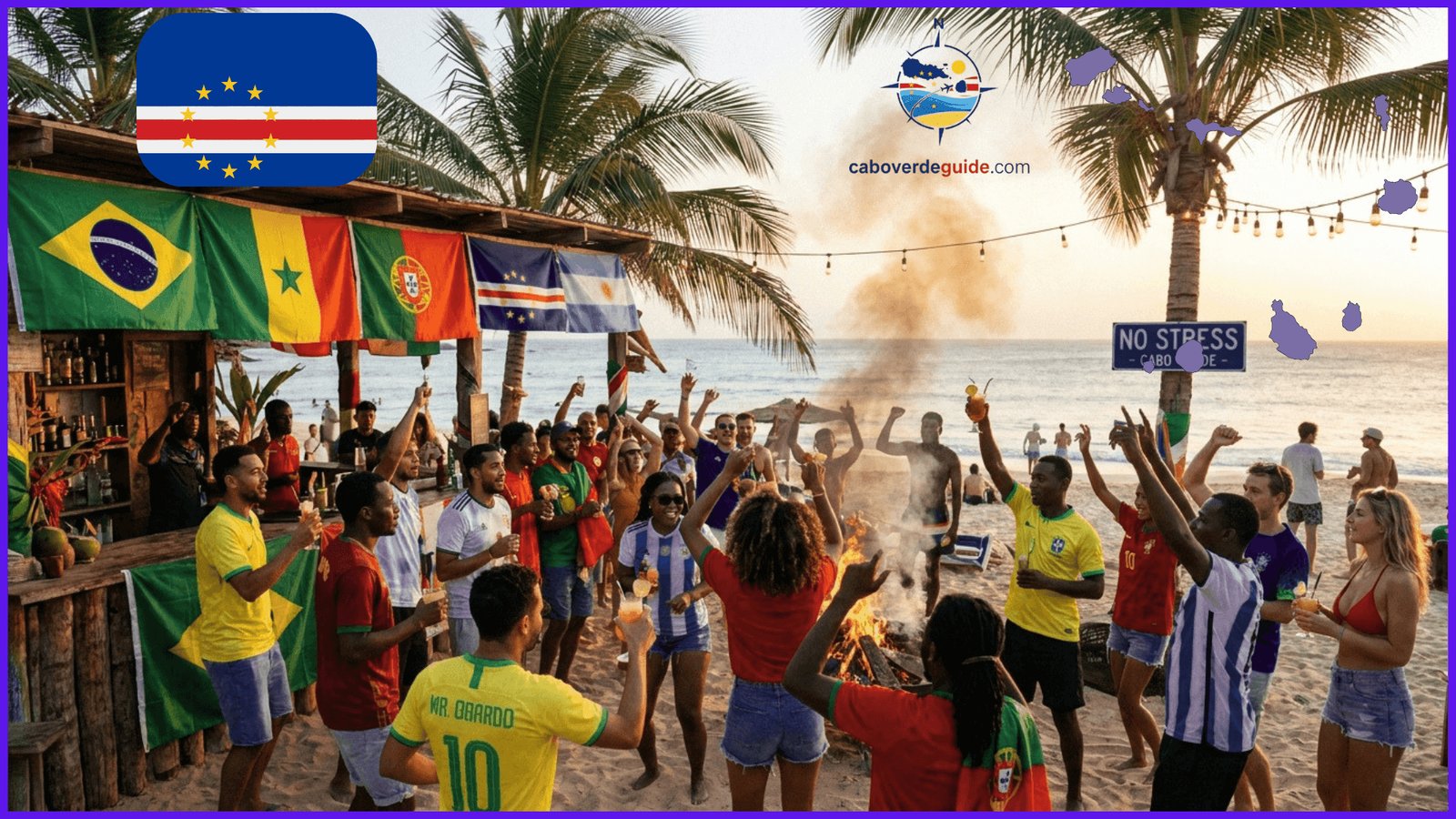
So many people who just wanted to watch a good football match ended up down a rabbit hole of “wait, this place looks amazing,” a few clicks later. Regular fans started posting their own travel content, creating this genuine, grassroots wave of “you should go here too” energy.
Influencers Amplify the Cape Verde Story
Travel creators jumped in with beach footage, food reviews, and cultural deep dives, helping Cape Verde go from “random football underdog” to “actual bucket-list destination” in record time.
Challenges of Rapid Tourism Growth
Balancing Popularity with Sustainability
Okay, real talk—rapid tourism growth isn’t all sunshine. More visitors can mean more strain on beaches, coastlines, and local ecosystems. There’s a real need for responsible tourism here so the islands don’t lose what makes them special in the first place.
Preserving Authentic Culture
There’s also a risk of things becoming a little too “tourist-trap-y” if growth isn’t managed well. Keeping things authentic and making sure local communities actually benefit (not just big resort chains) is a priority worth paying attention to.
What the Future Holds for Cape Verde Tourism
Building on the Momentum
The big question now is whether Cape Verde can turn this World Cup moment into lasting, long-term tourism success rather than a short-lived spike. Early signs look good, but it’ll take smart planning.
Emerging Travel Trends
Expect to see more focus on sustainable tourism, digital nomad-friendly setups (hello, remote workers), and even some higher-end, experience-driven travel options popping up.
Travel Tips for Visitors Inspired by the World Cup
Best Islands to Visit
- Sal – beaches and nightlife
- Boa Vista – dunes and chill vibes
- Santiago – capital city energy and history
- São Vicente – artsy, musical hub
- Fogo – volcano hikes and dramatic views
Best Time to Travel
Honestly, it’s warm pretty much year-round, but November through June tends to be the driest stretch if you can time it with a local festival or Carnival; even better—way more fun energy.
Essential Planning Advice
You’ll mostly get around via flights or ferries between islands, so plan that ahead of time. The currency is the Cape Verdean escudo, and locals are genuinely warm and welcoming—just bring some patience and an open mind. Football fans, keep an eye out for local matches or academy visits while you’re there.
At the end of the day, Cape Verde’s World Cup run turned into so much more than a sports story. Football gave the world a reason to notice this incredible little island nation, and once people looked closer, they fell in love.
The tourism boost brought jobs, investment, and a whole lot of well-deserved global attention. It’s honestly a pretty great reminder that sometimes all it takes is a ball rolling across a field to put a whole country on the map.
FAQ
How did Cape Verde’s World Cup performance impact tourism?
It basically put Cape Verde on everyone’s radar, which led to more searches, more bookings, and more curious travelers showing up throughout 2026.
Did international searches for Cape Verde increase during the 2026 World Cup?
Yep, big time. Search interest spiked hard during and after the tournament as people wanted to learn more about the place behind the team.
Which Cape Verde islands are most popular with tourists?
Sal and Boa Vista are the beach favorites, while Santiago, São Vicente, and Fogo pull in folks looking for culture and adventure.
What makes Cape Verde unique compared to other island destinations?
It’s got that rare combo of gorgeous beaches, volcanic landscapes, and deep musical roots—it’s not just another pretty island; it’s got real soul.
Is sports tourism becoming important in Cape Verde?
Definitely, football-themed trips, academy visits, and youth tournaments are becoming a legit part of the tourism scene now.
What are the best places to visit in Cape Verde after discovering it through football?
Start with Sal or Boa Vista for beach time, then hop over to Santiago and São Vicente for culture, and finish with Fogo if you’re up for a volcano hike.