Everything You Need to Know About Traveling to Cabo Verde
So let’s talk about Cabo Verde. If you haven’t heard of it yet, don’t worry; most people haven’t — and honestly, that’s part of the charm. It’s a little cluster of volcanic islands chilling out in the Atlantic, off the coast of West Africa, and it’s slowly becoming one of those “wait, why hasn’t everyone been talking about this place?” destinations.
More flights from Europe, more travel bloggers stumbling onto it, more people craving a spot that isn’t packed with tourists — Cabo Verde is having its moment. And honestly? It deserves it.
Picture beaches that look edited even though they’re not, deserts randomly next to the ocean, mountains you can hike, and music that just hits different. That’s Cabo Verde in a nutshell. Let’s get into everything you need to know before you go.
Where Is Cabo Verde?
A Bunch of Islands Just Vibing in the Atlantic
Cabo Verde sits about 600km off the coast of Senegal, right out there in the middle of the ocean. There are 10 islands total, 9 of them inhabited, split into two groups — the Barlavento (windward, up north) and Sotavento (leeward, down south).
These islands are volcanic, so no one lived here until the Portuguese showed up in the 1400s. Over time, African and Portuguese cultures mixed together and created this really unique Creole vibe that’s still alive today.
Why It’s Not Like Anywhere Else
Cabo Verde doesn’t feel like anywhere else in Africa or Europe. It’s its own thing — Portuguese influence, African roots, and Creole culture all blended into one place.
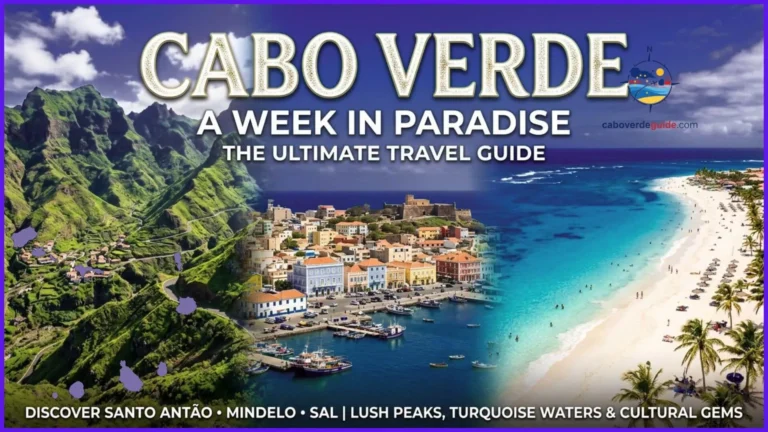
The landscapes are wild too. One island has deserts, another has green mountain valleys, and another has an actual active volcano. Small archipelago, huge variety.
Why Visit Cabo Verde?
Untouched Beauty and Endless Sunshine
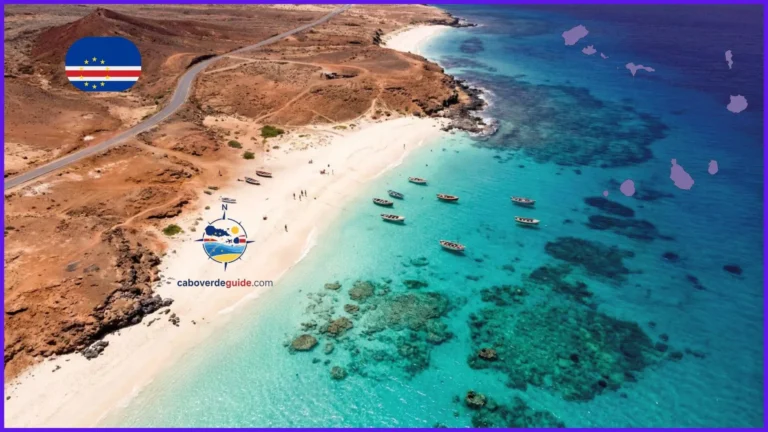
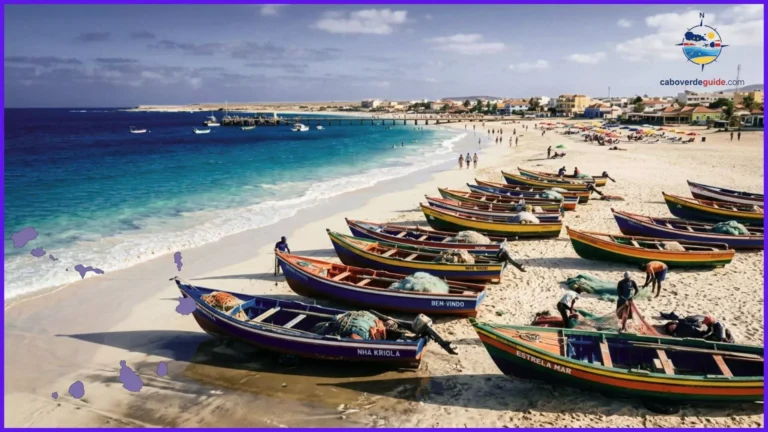
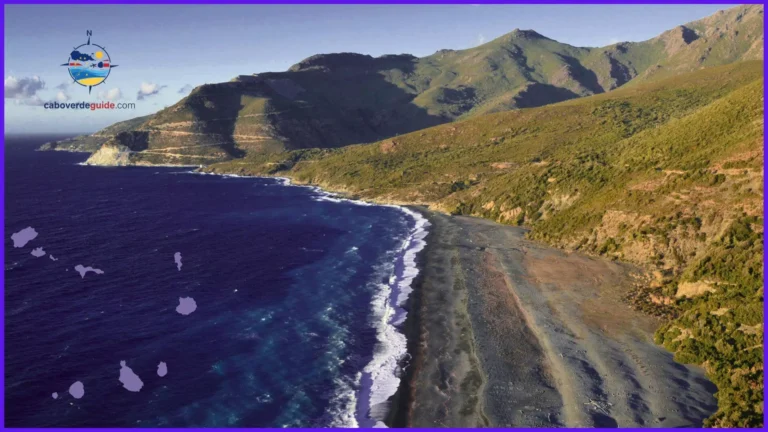
The weather is basically great all year round, which is a huge win. The beaches are the kind of turquoise-water, golden-sand combo you see on postcards. Add some dramatic volcanic backdrops, and yeah, it’s pretty stunning.
A Destination for Every Traveler
Doesn’t matter what kind of traveler you are, honestly:
- Into adventure? Go hike a volcano.
- Just want to lay on a beach? Also very doable.
- Nature lover? Whales, turtles, wild landscapes — it’s all here.
- Culture nerd? The music and history alone are worth the trip.
Best Time to Visit Cabo Verde
Dry Season (November–June)
This is peak season for a reason. Sunny, comfortable, calm seas — basically ideal beach weather and perfect for island hopping without stress.
Summer Months (July–October)
Expect more heat and the occasional rain, especially inland. But this is also when a lot of the cultural festivals happen, so if you’re into music and celebrations, this could be your season.
Choosing the Perfect Season
- Hiking? Go Nov–March; it’s cooler and way more comfortable.
- Water sports? Nov–July, especially on Sal and Boa Vista — great wind conditions.
- Just wanna relax? Basically anytime works.
The Islands of Cabo Verde Explained
Sal – The Island of Endless Beaches
This is the touristy one, in a good way. Great resorts, tons of water sports, salt flats, and that dreamy turquoise water everyone posts about.
Boa Vista – The Desert Meets the Ocean
Imagine dunes right next to the sea. Also, this is a huge nesting spot for loggerhead turtles, which is honestly pretty cool to witness.
Santiago – The Cultural Heart
Home to Cidade Velha, one of the oldest European settlements in the tropics (yep, UNESCO status). Big history vibes, plus great local music and traditions.
São Vicente – The Soul of Music
Mindelo is the heart of Cabo Verdean music. This is where Cesária Évora — basically a legend — is from. The energy here is unreal.
Santo Antão – A Hiker’s Paradise
Green valleys, dramatic mountain trails, insane viewpoints. If you like hiking, this island will make your soul happy.
Fogo – The Island of Fire
Pico do Fogo dominates this island, and the landscape looks like something out of a sci-fi movie. Lava fields, dramatic views, all of it.
Top Things to Do in Cabo Verde
Relax on World-Class Beaches
- Santa Maria Beach (Sal) – lively, great for water sports
- Praia de Chaves (Boa Vista) – wild, wide, and less crowded
- Tarrafal Beach (Santiago) – calm and pretty
Explore Volcanic Wonders
Climbing Pico do Fogo is one of those “I can’t believe I’m here” moments. Totally worth it if you’re even a little into hiking.
Dive Into the Ocean’s Treasures
Snorkeling, diving, whale watching — the marine life here is genuinely impressive.
Experience Local Culture
Local markets, live music, dancing — don’t skip this part; it’s half the reason to visit.
Cabo Verde’s Rich Culture and Traditions
The Rhythm of Morna and Coladeira
Morna is soulful and a little melancholic; coladeira is livelier — together they basically are Cabo Verde’s heartbeat. You feel it everywhere.
Festivals Filled with Color and Joy
Carnival in Mindelo is a whole vibe, seriously colorful and fun. Music festivals pop up throughout the year too.
Creole Identity and Warm Hospitality
Community means everything here. People are welcoming in a way that feels real, not performative.
What to Eat in Cabo Verde
Traditional Dishes You Must Try
- Cachupa – the national dish, a hearty stew with corn, beans, and meat or fish
- Grilled seafood – simple, fresh, delicious
- Pastéis – savory little pastries, great snack material
Fresh Flavors from the Sea
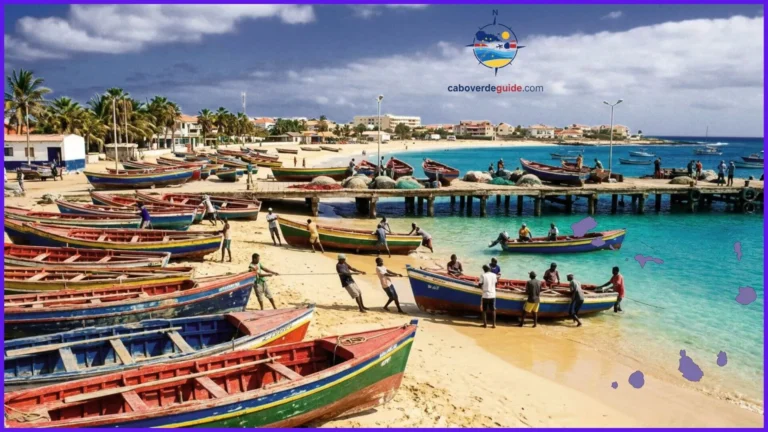
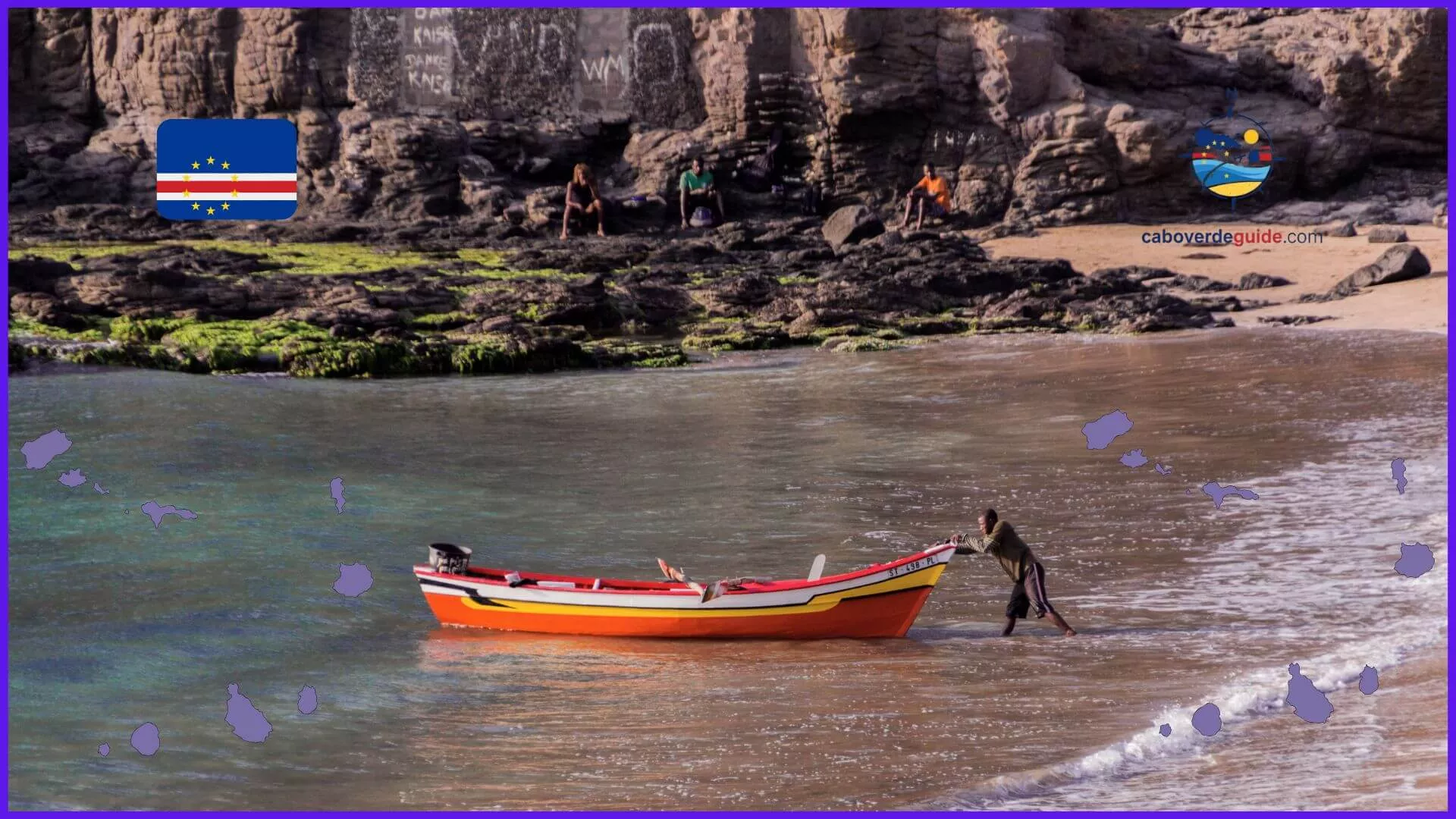
Tuna, lobster, octopus — coastal dining here just hits different when you’re eating with an ocean view.
Local Drinks and Sweet Treats
Grogue is the local sugarcane spirit — strong stuff, sip carefully. Pair it with tropical fruit, and you’re set.
Transportation and Island Hopping
Traveling Between Islands
Domestic flights are quick, ferries are slower but scenic and cheaper.
Getting Around Locally
Taxis and shared minibuses (aluguers) work fine for short trips. Renting a car gives you more freedom, especially on Santo Antão and Boa Vista.
Tips for Smooth Travel
Book transport ahead of time, especially in high season. Island schedules can be a little unpredictable.
Accommodation Options in Cabo Verde
Luxury Beach Resorts
Sal and Boa Vista are your spots for all-inclusive luxury.
Boutique Hotels and Guesthouses
Santo Antão and São Vicente have charming, more authentic stays.
Budget-Friendly Places to Stay
Santiago and Sal both have solid hostels and cheap guesthouses.
Essential Travel Tips Before You Go
Entry Requirements and Visas
Most people need a visa, but a lot of nationalities can get one online before arrival or on arrival. Double-check based on your passport.
Currency and Payments
Currency is the Cabo Verdean Escudo (CVE). Cards work in resorts and cities, but bring cash for smaller villages and markets.
Safety and Health Advice
Generally pretty safe. Just use common sense — stay hydrated, wear sunscreen, watch your stuff in busy areas.
Language Basics
Portuguese is official; Creole is widely spoken. Learning a few basic phrases goes a long way with locals.
Hidden Gems Most Tourists Miss
Serra Malagueta Natural Park
Quiet mountain trails on Santiago, great for a break from the beach crowd.
Monte Verde
Amazing panoramic views over Mindelo on São Vicente.
Remote Villages of Santo Antão
Traditional farming life, slow-paced, and really authentic.
Sustainable Travel in Cabo Verde
Respecting Fragile Island Ecosystems
Skip single-use plastics, don’t mess with turtle nesting areas, and just be mindful of marine life.
Supporting Local Communities
Book local guesthouses, shop at local markets, choose community-run tours when you can.
Suggested Cabo Verde Itineraries
5-Day Beach Escape
Sal + Boa Vista, all beaches, all relaxation.
7-Day Adventure Journey
Santo Antão hiking, Fogo volcano, plus Santiago culture.
10-Day Island-Hopping Experience
Sal, São Vicente, Santo Antão, and Santiago — the full range of what Cabo Verde offers.
Cabo Verde isn’t just beaches — even though the beaches alone are worth the trip. It’s volcanoes, music, history, and people who’ll make you feel at home in like five minutes.
Honestly, it’s one of those places that sneaks up on you. You go for the sun, and you leave thinking about everything else.
In Cabo Verde, the ocean writes poetry upon volcanic shores, trade winds carry songs across the islands, and every sunset feels like a farewell wrapped in gold. It is not merely a destination—it is a collection of moments that stay with you long after the waves have disappeared from sight
Frequently Asked Questions About Cabo Verde
Is Cabo Verde expensive to visit?
Depends on the island — Sal and Boa Vista are pricier, Santiago and Santo Antão are more budget-friendly.
Which island is best for first-time visitors?
Sal, hands down — easiest to get to and get around.
Is Cabo Verde safe for tourists?
Yeah, generally very safe. Just use normal travel common sense.
How many days should I spend there?
A week gives you a good taste; ten days lets you really explore.
Can I visit year-round?
Yep, but Nov–June is your best bet for weather.