Cabo verde Travel Guide for First-Time Visitors
So let’s talk about Cabo Verde. If you haven’t heard much about it yet, you’re not alone — but that’s changing fast. This little cluster of islands off the coast of West Africa is turning into one of the hottest travel spots around, and honestly? It deserves the hype.
Think volcanic peaks, colorful old towns, beaches that genuinely rival the Caribbean, and a chill, no-crowds vibe that’s getting harder and harder to find anywhere else. It’s got that “wait, why doesn’t everyone know about this place” energy.
This guide is for you if you’re planning your first trip and have zero idea where to start. By the time you finish reading, you’ll know which island to pick, what to eat, how much money to bring, and — just as important — what mistakes to avoid so you don’t waste a single day of your trip.
Let’s get into it.
Wait, Where Even Is Cabo Verde?
Quick geography lesson, I promise it’s painless. Cabo Verde is a group of islands sitting out in the Atlantic Ocean, about 570 km off the coast of Senegal. There are ten islands total, nine of which people actually live on, and they’re split into two groups: the windward islands (Barlavento) and the leeward islands (Sotavento).
A few quick facts to get you oriented:
- Official language: Portuguese (but locals mostly speak Creole, called Kriolu)
- Currency: Cabo Verdean escudo (CVE)
- Population: around 500,000 people
- Time zone: GMT-1, so if you’re coming from Europe, jet lag basically isn’t a thing
Okay, But Why Should You Actually Go?
Fair question. Here’s the short version: Cabo Verde has beaches, sunshine, volcanoes, good food, and genuinely friendly people, all rolled into one surprisingly small country. A few highlights:
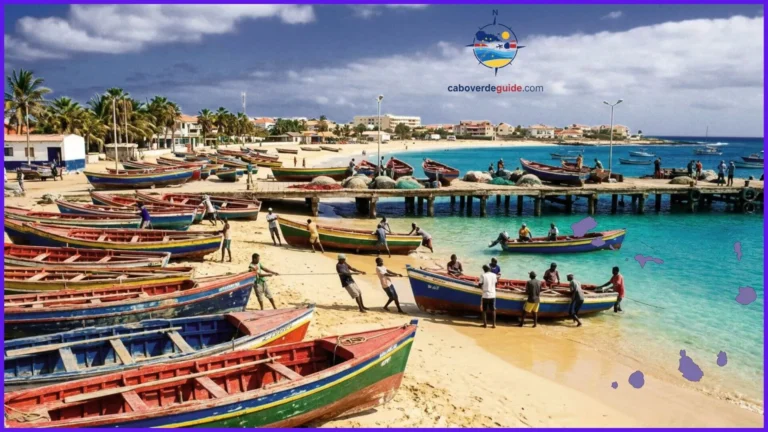
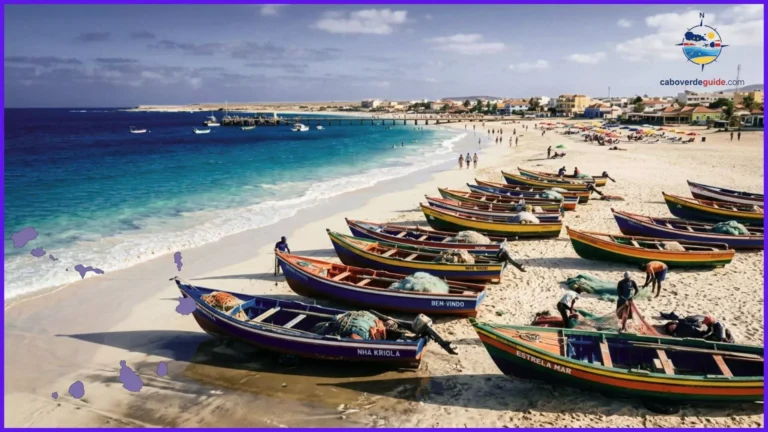
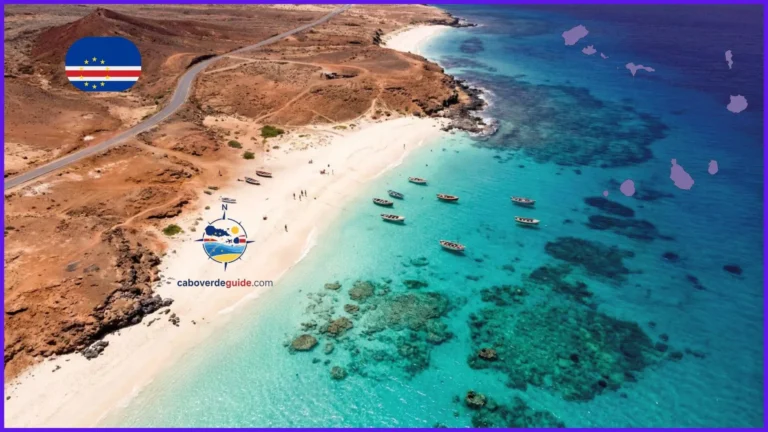
- Gorgeous beaches (Sal and Boa Vista are the stars here)
- Sun. So much sun. Like 350+ days a year of it
- Locals who are warm and welcoming, not “tourist trap” friendly
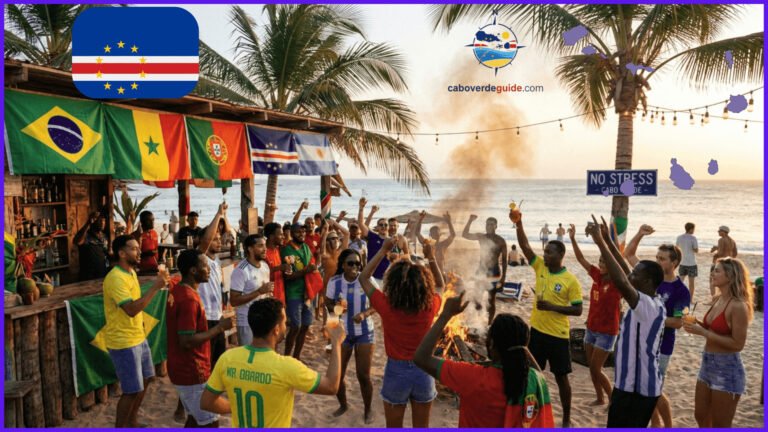
- A rich Creole culture that mixes Portuguese, West African, and island influences
- An actual active volcano you can climb (Pico do Fogo, more on that later)
- Great water sports — windsurfing, diving, all of it
- Seafood so fresh it was probably swimming that morning
- A laid-back pace that makes you forget your inbox exists
Honestly, not many places let you go from desert dunes to volcano hikes to beach lounging in the same week. Cabo Verde does.
Best Time to Go
What the Weather’s Like
Good news: it’s pretty mild and dry most of the year. Here’s the breakdown by season:
- Winter (Dec–Feb): Warm, breezy, great for beach days and spotting whales
- Spring (Mar–May): Dry, sunny, less wind — basically the sweet spot season
- Summer (Jun–Aug): Hot and a bit humid, with light rain starting to creep in by August
- Autumn (Sep–Nov): Rain calms down, everything turns green (especially on Santo Antão)
When to Go for Specific Stuff
- Beach time: November through June
- Hiking: October to March, when it’s cooler
- Whale watching: March to May
- Festivals: February (hello, Carnival) and August
- Windsurfing/kitesurfing: November through July, mostly on Sal
Before You Book: Entry Requirements
Nothing too scary here. You’ll need a passport valid for at least six months past your arrival date. A lot of nationalities can get an easy online visa before they land, or grab one on arrival — just double-check what applies to you before you book flights.
There’s usually an airport security tax already baked into your ticket price, but it doesn’t hurt to confirm with your airline. And even though travel insurance isn’t required by law, seriously get it. Medical care on the smaller islands is limited, and if something goes wrong, evacuation costs can get ugly fast.
How to Actually Get There
Most people fly into either Amílcar Cabral International Airport on Sal or Nelson Mandela International Airport in Praia.
Airlines like TAP Air Portugal, TUI, and Cabo Verde Airlines all run direct flights from cities like Lisbon, Amsterdam, London, and Milan. From Europe, you’re looking at around 4-6 hours in the air, which honestly isn’t bad at all.
Quick tip: heading straight for beach vibes? Fly into Sal or Boa Vista. More into culture and history? Praia (on Santiago) is your move.
So, Which Island Should You Actually Pick?
This is the big question everyone asks, so let’s break it down island by island.
Sal — The easy button. Great beaches, all-inclusive resorts, tons of water sports. If it’s your first time and you just want sun and relaxation without overthinking it, start here.
Boa Vista — Think giant dunes, sea turtles nesting on the beach, and a growing scene of luxury resorts. A little more remote-feeling than Sal.
Santiago — This is where the history and culture live. Home to the capital, Praia, and Cidade Velha, a UNESCO World Heritage town that’s genuinely worth wandering around.
São Vicente — The music and nightlife island. Mindelo, the main town here, has serious energy — live music everywhere and a really cool, artsy feel.
Santo Antão — Calling all hikers. Dramatic valleys, terraced farmland, and some of the most jaw-dropping scenery you’ll find anywhere in West Africa.
Fogo — Home to an actual active volcano you can hike up. Also grows its own coffee and makes volcanic wine, which, come on, that’s just cool.
How Many Days Do You Need?
Depends how deep you want to go:
- 4 days: Stick to one island, beach-focused. Sal or Boa Vista are perfect for this.
- 7 days: Do two islands — mix beach time with some culture or hiking.
- 10 days: Go full island-hopping mode with three or more islands. This is the way to really see what Cabo Verde is all about.
Getting Around Once You’re There
- Domestic flights connect the main islands pretty quickly
- Ferries link nearby islands (like São Vicente to Santo Antão), though schedules can shift with the weather, so build in some flexibility
- Taxis are easy to find in towns and resort areas
- Aluguer (shared minibuses) are the budget-friendly local way to get around
- Renting a car gives you the most freedom, especially useful on Santo Antão and Fogo where you’ll want to explore at your own pace
Where to Stay
- Luxury resorts: Mostly on Sal and Boa Vista, lots of all-inclusive options
- Mid-range hotels: Pretty much everywhere across the islands
- Budget guesthouses: Great options in Mindelo, Praia, and smaller towns
- Eco-lodges: Growing in popularity on Santo Antão and Fogo if you’re into nature-focused stays
Let’s Talk Money
What You’ll Spend Per Day
- Budget traveler: €30–45/day (guesthouses, local food, public transport)
- Mid-range traveler: €60–100/day (hotels, restaurants, the occasional tour)
- Luxury traveler: €150+/day (resorts, private tours, the fancy stuff)
How to Save a Few Bucks
Eat at local “restaurantes” instead of resort restaurants (it’s cheaper and honestly better food), take the aluguer minibuses instead of taxis when you can, and book domestic flights early since seats disappear fast in peak season.
The Food — Because This Matters A Lot
Dishes You Need to Try
- Cachupa – the national dish, a slow-cooked stew with corn, beans, and meat or fish. This is basically Cabo Verdean comfort food.
- Grilled lobster – fresh, affordable, and everywhere near the coast
- Fresh tuna – often caught that same morning
- Goat stew – hearty and full of flavor
- Buzio – sea snails, a fun local specialty to try at least once
- Pastéis – savory fried pastries, perfect grab-and-go street food
Drinks Worth Trying
- Grogue – a strong sugarcane spirit, sip slowly; it’s no joke
- Ponche – grogue mixed with honey and lime, way more approachable
- Local coffee – grown on Fogo’s volcanic slopes, genuinely excellent
Top Things to Do
- Chill on Santa Maria Beach (Sal)
- Check out the surreal Pedra de Lume Salt Crater
- Climb Pico do Fogo, the active volcano
- Wander around historic Cidade Velha
- Hike the valleys of Santo Antão
- Go turtle watching on Boa Vista
- Party at Carnival in Mindelo
- Snorkel or dive the coastline
- Try a desert quad tour across the dunes
- Catch a sunset cruise (do this at least once, trust me)
Is Cabo Verde Safe?
Overall, yeah, pretty safe as far as West Africa goes. Standard travel smarts apply: watch your stuff in busier tourist spots, don’t leave valuables lying around, drink bottled or filtered water, wear reef-safe sunscreen, and be careful of currents at certain beaches. Solo travelers, including women, tend to have good experiences here, but it’s smart to arrange a ride instead of walking around alone at night. Save the local emergency numbers on your phone before you land, just in case.
What to Pack
- Clothing: Light, breathable stuff, one light jacket for evenings, and something a bit more modest for town visits
- Electronics: Universal adapter, portable charger, waterproof phone case (beach + phone = risky combo without one)
- Documents: Passport, visa confirmation, travel insurance info, printed hotel bookings just in case
- Beach stuff: Reef-safe sunscreen, hat, sunglasses, swimwear
- Hiking gear: Sturdy shoes, water bottle, light rain jacket if you’re headed to Santo Antão
- Basic medical kit: First aid basics, rehydration salts, bug spray
Local Customs Worth Knowing
Greetings actually matter here — a genuine hello goes a long way. Tipping around 10% is appreciated, not required. Always ask before snapping photos of people. Dress a bit more modestly once you’re away from the beach resorts. And honestly, just take a minute to actually engage with the Creole culture around you — it’s a big part of what makes this place special.
Internet and SIM Cards
Local networks like CVMóvel and Unitel T+ have prepaid SIM cards available at the airport or in town. eSIMs are becoming more common too, which can save you time when you land. Wi-Fi is generally fine at hotels and resorts, but don’t expect much once you’re out in more rural spots, especially on Santo Antão or Fogo.
Mistakes First-Timers Make (Don’t Be That Person)
- Only visiting one island and missing out on how different they all are
- Not paying attention to ferry schedules, which shift with the weather
- Underestimating the sun, even on cloudy days
- Not carrying enough cash — cards aren’t accepted everywhere
- Skipping the local markets for resort shops
- Overpacking for a climate that really doesn’t need it
A Sample 7-Day Trip
- Day 1: Land in Sal, settle in, hit Santa Maria Beach
- Day 2: Beach day, try some water sports
- Day 3: Island tour, including the Salt Crater
- Day 4: Head over to São Vicente
- Day 5: Explore Mindelo — markets, music, the waterfront
- Day 6: Day trip to Santo Antão for some serious hiking
- Day 7: Fly home (sadly)
FAQ
Is Cabo Verde expensive? It can be, especially on Sal and Boa Vista, but you can absolutely travel on a budget on islands like Santiago or São Vicente.
Which island is best for first-timers? Sal, hands down. Easiest flights, easiest vibe, easiest everything.
Is English widely spoken? In tourist areas, yes. Outside of those, it’s mostly Portuguese and Creole.
Can I drink the tap water? Stick to bottled or filtered, especially away from big resorts.
Good for families? Yep — calm beaches, resort amenities, and short flights from Europe make it an easy pick.
Do I need cash? Definitely. Cards aren’t accepted everywhere, especially on smaller islands.
Can I island-hop easily? Yes, with flights and ferries, just build in a little flexibility for schedule changes.
Safe for solo travelers? Generally, yes, just use normal travel common sense.
Travel a Little More Responsibly
Support local, family-run businesses instead of big chains
Cut down on plastic waste (reusable water bottle, easy win)
Be respectful around marine life, especially during turtle nesting season
Pick eco-friendly stays when you can
Stick to marked trails while hiking so you’re not messing up the landscape for the next person.
Look, Cabo Verde is so much more than just pretty beaches (even though the beaches really are that good). Between the volcanoes, the music, the food, and the genuinely warm people, it’s the kind of place that surprises you. Whether you’ve only got four days on Sal or a full ten days hopping between islands, you’re going to leave wanting to come back. Go, explore, eat the cachupa, climb the volcano if you’re feeling brave, and just enjoy the slower pace for a while. You’ve earned it.