
Where to Spend a Week in Cabo Verde: Travel Guide
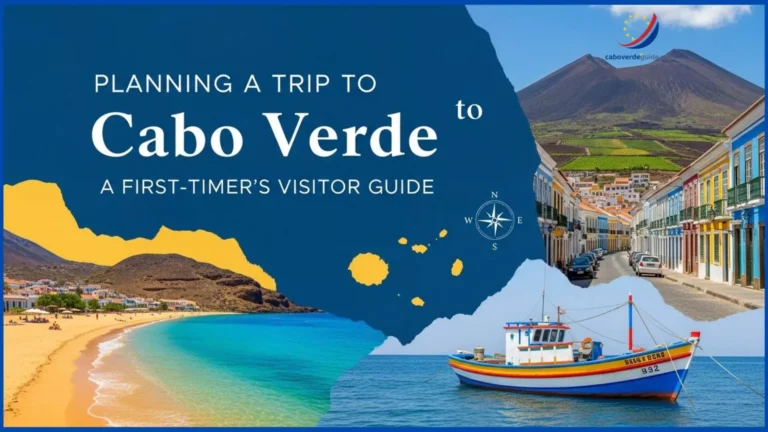
Have you ever even thought about Cabo Verde as a place to go on vacation? Most people haven’t. It’s kind of Africa’s best-kept secret — a little cluster of ten volcanic islands chilling out in the Atlantic, just off the coast of West Africa. Golden beaches, volcanoes you can actually climb, chill Creole vibes, and music spilling out of every beach bar at sunset. Once people go, they can’t shut up about it. I get it.
And honestly? A week is the perfect amount of time to see what the fuss is about. It’s long enough to hop between a couple of islands and actually relax, but short enough that you don’t have to burn all your vacation days. Whether you’re going with a partner for something romantic, dragging the kids along, traveling solo and craving a good hike, or want a week of sun and seafood — I’ve got you covered.
By the time you’re done reading, you’ll have a full day-by-day plan, know which islands fit your vibe, what food to order, roughly what things cost, and all the little tips that make travel days way less stressful.
Why Bother With a Week Here?
You get adventure AND relaxation, no picking sides. This is honestly what makes Cabo Verde different from a lot of island trips. You don’t have to choose between “lay on a beach all week” and “go do something cool.” You can hike through a mountain village in the morning and be floating in warm water by 2 pm. Not a lot of places let you flip that switch so easily.
Hopping islands is genuinely easy. The islands sit close together, so a quick flight or ferry ride and you’re somewhere totally different. In one week you can go from desert dunes, to volcanic cliffs, to an old colonial town — instead of being stuck on the same stretch of sand the whole trip.
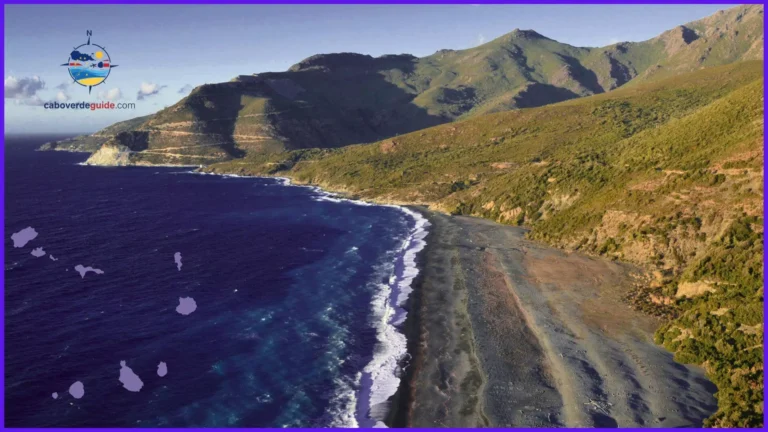
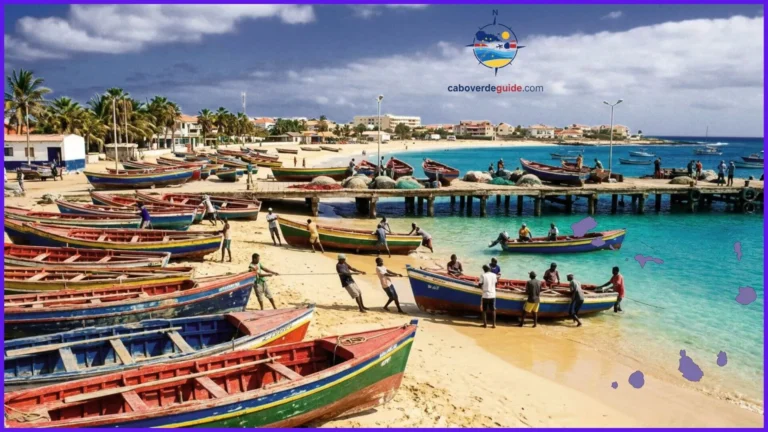
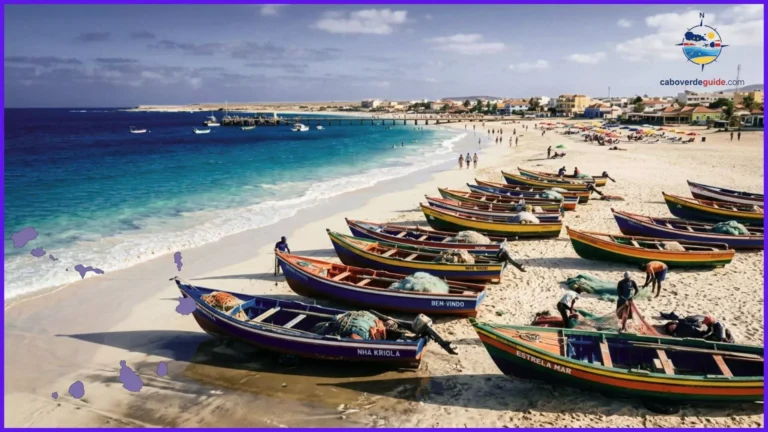
The beaches and volcanoes are borderline unreal. Boa Vista and Sal have that powder-white sand that looks fake in photos. Fogo and Santo Antão have this dramatic black volcanic coastline that feels like a different planet. The contrast alone is worth the trip.
The music and culture will get under your skin. Cape Verdean culture is this warm mashup of African and Portuguese influences, and nowhere shows it off better than the music. This is literally the birthplace of morna — the soulful genre Cesária Évora made famous. Head to Mindelo and you’ll hear it live pretty much every night.
Quick Rundown of the Islands
Sal — the beach-and-watersports one. Most people land here first, and honestly, it makes sense. Long beaches, solid wind for kitesurfing, decent hotels and restaurants. Easy mode, in the best way.
Boa Vista — desert dunes meet fancy resorts. Think Sahara vibes right next to the ocean. Dunes, half-buried shipwrecks, and some seriously nice resorts. Big favorite with couples who want quiet and polish.
Santiago — where the history and real local life are. It’s the biggest island and home to the capital, Praia. You’ll also find Cidade Velha here, the old colonial town, which basically tells the story of the whole country.
São Vicente — music and nightlife central. Mindelo is the beating heart of Cabo Verde’s culture. Colorful streets, a lively marina, live music nearly every night. If you want energy, this is your island.
Santo Antão — hiking heaven. If you’re an outdoorsy person, this might end up being your favorite part of the whole trip. Green valleys, terraced hillsides, ridgeline trails — genuinely one of the best hiking spots in West Africa.
Fogo — home of an actual, hikeable volcano. Pico do Fogo dominates this island, and yes, you can hike it. The villages built right into old lava fields plus the local wine make this place feel wonderfully surreal.
Your 7-Day Cabo Verde Game Plan
Day 1 — Land in Sal, ease into it. Don’t overthink your first day. Head to Santa Maria Beach, dip your toes in, get your first real look at that turquoise water. Grab lunch nearby, take a slow sunset stroll, then check into a beachfront hotel and let the jet lag wash off you.
Day 2 — Sal, full send. Start at the Blue Eye (Buracona) — a natural rock pool where the sunlight makes the water glow this insane blue. Then hit the Pedra de Lume Salt Crater, an old volcanic crater filled with salty water where you basically just float without trying. Swing by Shark Bay in the afternoon to spot (harmless, small) nurse sharks in the shallows, and cap it off with a relaxed catamaran ride along the coast.
Day 3 — Fly over to São Vicente. Quick domestic flight and you’re in Mindelo. Wander the colorful streets, poke around the markets, walk the marina as the sun goes down. Then find a live music spot for the evening — this is genuinely where Cabo Verde’s soul lives, so don’t rush it.
Day 4 — Day trip to Santo Antão. Short ferry ride over for what might be the best day of your whole trip. Drive or hike through mountain villages perched on ridiculously green ridgelines, tackle a trail with sweeping valley views, and take a break in Ribeira Grande. Try the local food here — simple, hearty, and genuinely delicious.
Day 5 — Santiago. Fly over and explore Cidade Velha, a UNESCO World Heritage Site and one of the oldest European settlements in the tropics. Spend some time wandering Praia, check out a museum or two, and treat yourself to a proper Cape Verdean dinner.
Day 6 — Pick your own adventure. Depending on your energy levels:
- Hike Pico do Fogo for one of the most dramatic views in the country
- Chill on Boa Vista’s beaches instead
- Go whale watching (seasonal, so double-check timing)
- Snorkel or scuba dive
- Try some desert quad biking
Day 7 — Wind down before you fly home. Keep it low-key. One last beach morning, some souvenir shopping, a coffee somewhere nice, then head to the airport. Pro tip: give yourself more buffer time than you think you need. Island logistics move at their own pace, and rushing just isn’t worth the stress.
Which Island Fits Your Travel Style?
- Couples: Sal and Boa Vista — easy beaches, gorgeous sunsets, comfy resorts.
- Families: Sal and Santiago — calm water, good amenities, enough variety to keep everyone happy.
- Hikers: Santo Antão and Fogo — trails and views you won’t find anywhere else nearby.
- Nightlife lovers: São Vicente — Mindelo’s music scene is hard to top.
- Luxury seekers: Boa Vista — the resort game here is strong.
- Budget travelers: Santiago and São Vicente — cheaper guesthouses, street food, lower daily costs overall.
Getting Between Islands
Flights are usually your fastest option, but schedules can be tight, so book ahead of time.
Ferries connect a few islands, especially São Vicente and Santo Antão. Scenic, sometimes a little choppy, but a fun alternative to flying.
Booking tip: book your inter-island travel early, especially in peak season. Seats disappear fast, and delays happen more than you’d like.
Costs: flights and ferries are generally pretty affordable compared to your international flight, but they do add up over a week of hopping around, so build them into your budget from the start.
Where to Crash
- Luxury resorts: mostly on Boa Vista and Sal, right on the beach, very all-inclusive.
- Mid-range hotels: everywhere across Sal, São Vicente, and Santiago — solid price-to-comfort ratio.
- Budget guesthouses: common in Santiago and São Vicente, often family-run, and a great way to actually meet locals.
- Beachfront apartments: good if you want a bit more independence, especially for longer stays or families.
What You Should Actually Eat
- Cachupa — the national dish. A slow-cooked stew of corn, beans, and meat or fish. Every single family thinks their version is the best.
- Fresh seafood — with the ocean on every side, it doesn’t get fresher than this.
- Grilled lobster — a real treat, especially on coastal islands, and cheaper than you’d expect.
- Goat stew — hearty and slow-cooked, it shows up a lot on Santiago and Santo Antão.
- Local desserts — usually coconut- or corn-based, simple and sweet.
- Coffee and grogue — try the local coffee, and if you’re feeling adventurous, sample grogue, the traditional sugarcane spirit that’s basically a cultural institution here.
When to Actually Go
Cabo Verde has a mild, dry climate for most of the year, with a short rainy stretch usually between August and October.
Best for beaches: roughly November through July.
Best for hiking: stick to the cooler months so you’re not melting on Santo Antão or Fogo.
Whale watching: humpbacks show up around Boa Vista and Sal roughly between March and May — worth checking recent sightings before you plan around it.
Carnival: São Vicente’s Carnival celebration is full of color, music, and parades. Great excuse to time your trip around it if that’s your thing.
Roughly What It’ll Cost
Quick disclaimer: these are just ballpark numbers to help you plan. Real costs shift depending on the season, exchange rates, and how you like to travel — so check current prices closer to your trip.
- Budget traveler: guesthouses, local eats, public transport, and minimal spending on extras.
- Mid-range traveler: comfortable hotels, a few nicer dinners, and a couple of paid tours or excursions.
- Luxury traveler: resort stays, private transfers, fancy dinners, and premium experiences — costs go up noticeably here.
Whatever your budget, remember to leave a little buffer for inter-island flights and ferries. Easy to forget, easy to underestimate.
Good-to-Know Travel Tips
- Currency: the Cape Verdean escudo. Check current exchange rates and card acceptance before you go — smaller islands lean more cash-only.
- Safety: Cabo Verde is generally considered one of the safer spots in the region, but normal travel common sense still applies.
- Internet: local SIMs are easy to grab and pretty affordable. Connectivity can get spotty on smaller, more rural islands though.
- Language: Portuguese is official, but Cape Verdean Creole is spoken everywhere and with a lot of pride. Learn a few words — it goes a long way.
- Visas: requirements change and vary by nationality, so check official info close to your travel dates instead of relying on old blog posts (including this one).
- Local etiquette: a friendly greeting matters here. Take a second for a proper “bom dia” before jumping into anything, even a simple transaction.
- Packing: lightweight clothes, a good hat, reef-safe sunscreen, sturdy shoes for hiking days, and a light layer for cooler mountain evenings.
Hidden Gems Worth Squeezing In
If your schedule has any wiggle room, these are worth the detour:
- Monte Verde — a misty, lush peak on São Vicente with killer panoramic views
- Tarrafal Beach — a quiet, laid-back beach on Santiago
- Serra Malagueta Natural Park — great hiking, way fewer crowds
- Fontainhas Village — a picture-perfect mountain village on Santo Antão
- Pico do Fogo — the volcano hike, if you skipped it on Day 6
- Santa Monica Beach — one of Boa Vista’s most stunning, least crowded stretches of sand
Quick Questions People Always Ask
Is a week actually enough? Yeah — plenty of time to mix beach chill with a bit of hiking and culture, especially if you stick to two or three islands instead of trying to see all ten.
Which island should I land on first? Sal. Easy beaches, decent infrastructure, simple flight connections.
Can you realistically visit multiple islands in a week? For sure. With a little planning around flights and ferries, three or four islands in seven days is totally doable.
Is it expensive? Depends entirely on how you travel. Can be very budget-friendly or pretty luxe — your call.
Best beaches? Boa Vista and Sal, hands down.
Is it safe? Generally yes. Just use the same common sense you would anywhere else.
Do I need to rent a car? Not really necessary — taxis and tours cover most of what you need, though a rental gives you more freedom on islands like Santiago or Santo Antão.
Best month to go? Roughly November through July for the most reliable weather.
Wrapping This Up
Cabo Verde crams a ridiculous amount into a tiny footprint — beaches that rival anywhere on earth, volcano hikes that feel like another world, and a culture so warm and musical you’ll fall for it without even trying. A week here is just enough to get a real taste of everything: floating in a salt crater, dancing to live morna in Mindelo, watching the sun dip behind Pico do Fogo.
Take this itinerary as a starting point, not a rulebook. Tweak it to whatever you’re into — more beach, more hiking, more culture, more of all three. However you shape it, Cabo Verde has a funny way of turning one single week into memories you’ll be talking about for years.
So… when are you booking your flight?