
First-Timer’s Visitor Guide to Cabo Verde: Easy Travel Tips
Real talk: have you even heard of Cabo Verde before? Don’t worry, most people haven’t, and that’s honestly part of the appeal. Picture ten volcanic islands just chilling in the Atlantic about 570 km off Senegal, with beaches that could absolutely go toe-to-toe with the Caribbean, mountain villages you can hike to, and a culture that’s this awesome mashup of African rhythm, Portuguese architecture, and Creole soul music. And somehow almost nobody’s there. It’s kind of wild.
This guide is basically everything I’d tell a friend before they booked a trip: when to go, which island to pick, how to get around without losing your mind, what to eat, and a whole itinerary you can just copy.
Wait, Where Even Is Cabo Verde?
So Cabo Verde (you might also see it spelled Cape Verde) is out in the middle of the Atlantic, and it used to be a Portuguese colony before going independent back in 1975. There are ten main islands, split into two groups depending on which way the wind hits them — the Barlavento crew (Santo Antão, São Vicente, São Nicolau, Sal, Boa Vista) and the Sotavento crew (Santiago, Maio, Fogo, Brava). Every island has its own vibe: some are flat and sandy, some are jagged and dramatic, and one of them still has an active volcano, because why not.
Weather-wise, it’s warm and dry almost all year, with a short rainy stretch and steady trade winds that make the place a dream for anyone into water sports.
Why Is Everyone Suddenly Talking About This Place?
Three big reasons, honestly: sunshine basically year-round, a solid reputation for being safe and welcoming, and a genuinely one-of-a-kind cultural blend — African tradition meets Portuguese history meets that unmistakable Creole flavor you’ll hear in the music (morna, if you want the technical term) and taste in the food.
When Should You Actually Go?
The Weather Situation
Forget four seasons — Cabo Verde really only has two. There’s a long dry stretch from about November through July, and then a short rainy season from August to October that mostly hits the mountainous islands. Temps stay pretty comfortable all year, usually mid-70s to high-80s°F, and the ocean breeze keeps it from ever feeling brutal.
Peak Season vs. “I’d Rather Save Some Money” Season
If beaches are your whole personality, go between November and June — dry, sunny, calm seas, the works. Into hiking instead? December through April is the sweet spot since it’s a bit cooler and way more pleasant on trails like Santo Antão and Fogo. And if you’re trying to save some cash, May, June, and October tend to have cheaper flights and hotels while the weather’s still pretty good. Win-win.
Festivals Worth Planning Your Trip Around
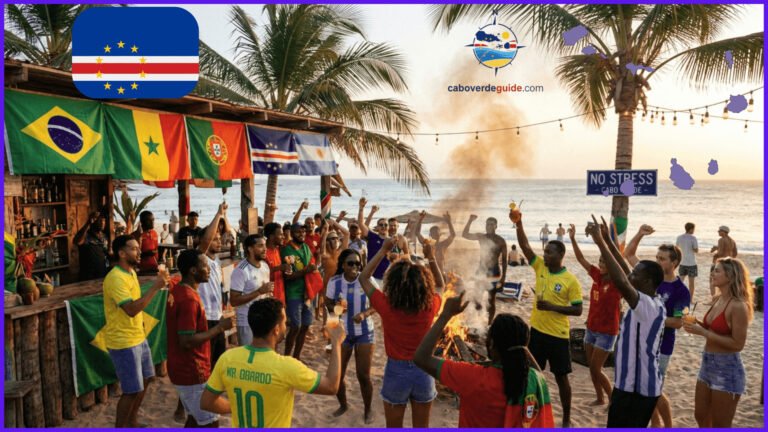
Carnival, usually in February, is the big one — especially in Mindelo on São Vicente, which apparently gives Rio a run for its money in energy if not quite in size. There are also music festivals scattered throughout the year celebrating morna, coladeira, and funaná (basically Cabo Verde’s answer to the blues), plus random local saints’ day festivals that pop up island to island. Worth asking a local what’s happening while you’re there.
The Boring-But-Important Paperwork Stuff
Passports and Visas
Most people don’t need a full visa for stays up to 30 days; just make sure your passport’s got at least six months of life left in it past your arrival date. A bunch of nationalities — most of the EU, UK, Switzerland, most African countries — skip the visa requirement entirely, and folks from places like the US currently get visa-free entry too. But rules change, so double-check your specific situation on Cabo Verde’s official visa site before you book anything.
That One Online Form Everyone Has to Fill Out
No matter where you’re from, you HAVE to do the EASE online pre-registration before you land. It asks for your basic info, travel dates, and your first hotel, and it’s also where you pay the Airport Security Fee. If you actually do need a visa, it gets bundled in here too. Seriously, just do this a few days before your flight — you can technically do it at the airport counter, but why make arrival day more stressful than it needs to be?
Get Travel Insurance, Please
Medical care on the islands is limited, and serious situations sometimes mean getting evacuated to Portugal or Senegal. So yeah, travel insurance with medical coverage isn’t optional; it’s just smart. Bonus points if it also covers trip delays, since inter-island flights can get messed up by wind.
Which Island Should You Actually Pick?
Sal
Sal’s the most touristy, developed island — long white beaches, a lively little resort strip in Santa Maria, water sports galore. If you just want to show up and do nothing but relax, this is your easiest, lowest-stress option.
Boa Vista
Boa Vista’s like Sal’s wilder cousin — huge dunes, quieter coastline, and one of the best spots around to catch nesting sea turtles if you time it right. Good pick if you want beach vibes but with more nature and less nightlife.
Santiago
This is the cultural heavyweight — home to the capital Praia and the old town of Cidade Velha (it’s a UNESCO World Heritage Site, so you know it’s legit). Go here if you want markets, history, and a real taste of everyday Cabo Verdean life instead of resort life.
São Vicente
São Vicente, and its main city Mindelo, is basically the artsy, musical soul of the whole country. Think live music, a super walkable colonial waterfront, and the best nightlife anywhere in Cabo Verde. Also, it’s where the legendary singer Cesária Évora was born, if that means anything to you (it should).
Santo Antão
This one’s for the hikers. Dramatic volcanic ridges, terraced valleys, tiny mountain villages along the trails. If you’re an outdoorsy person, this island’s going to stick with you long after you leave.
Getting Around Without Losing Your Mind
Flying Between Islands
Domestic flights are usually your fastest bet for covering distance between islands. Book early though, especially around Carnival or peak season — seats fill up fast, and schedules aren’t exactly generous.
Ferries
Routes like Praia to Fogo or Mindelo to Santo Antão are popular and honestly really scenic. Just know that sea conditions can mess with the schedule, so build in some flexibility around ferry days instead of planning down to the minute.
Getting Around Once You’re There
Taxis are everywhere in towns, renting a car gives you the most freedom (especially handy on Santo Antão or Boa Vista where you’ll want to explore at your own pace), and there are also shared minibuses called aluguers — cheap, but a little unpredictable schedule-wise.
Where to Actually Stay
If You Want to Do Nothing (Luxury Resorts)
Sal and Boa Vista have most of the country’s beachfront resorts, plenty of them all-inclusive, right on the sand with all the amenities. Perfect if “vacation” to you means minimal effort, maximum comfort.
The Middle Ground
Mid-range hotels are spread across all the main islands and usually give you solid comfort with a lot more local personality than the giant resorts.
Budget Options
Guesthouses (called residencials locally) and small family-run stays are common and cheap, especially on Santiago, São Vicente, and Santo Antão. Great way to actually meet people too.
Best Home Base for First-Timers
Santa Maria on Sal if beach time’s the priority, Mindelo if you want culture and nightlife within stumbling distance, or Ribeira Grande / Ponta do Sol on Santo Antão if you’re there to hike and want to be right at the trailhead.
Stuff You Should Actually Do There
Hit the Beaches
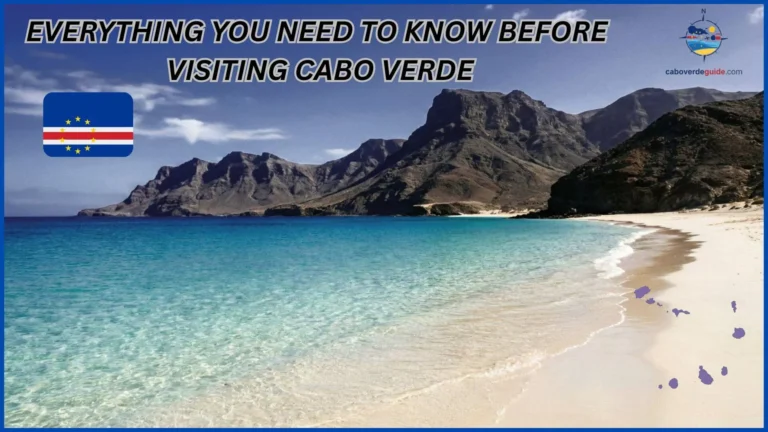
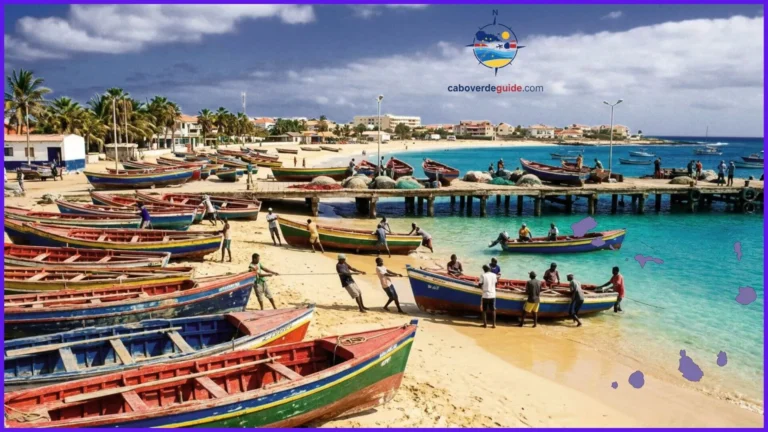
Santa Maria Beach on Sal is the classic postcard shot — calm turquoise water, lively beach town right behind it. Praia de Chaves on Boa Vista is way quieter with miles of sand, and Tarrafal Beach on Santiago is a local favorite thanks to its palm-lined bay.
Go Look at a Volcano
Pico do Fogo, on the island of Fogo, is an actual active volcano, and hiking up to the rim gets you sweeping views over the crater plus vineyards growing right on the old lava fields. Wild stuff. Santo Antão and Fogo both have killer viewpoints if you’re into photography.
Get in the Water
The steady trade winds make Sal and Boa Vista some of the best kitesurfing spots on the planet. There’s also solid diving and snorkeling with healthy reefs, and if you time it right, whale watching (humpbacks, mostly) is a thing here too.
Soak Up the Culture
Catch live morna and coladeira music, especially in Mindelo — it’s basically a direct line into the islands’ soul. Wander the markets in Praia and Assomada for that everyday-life energy, and check out Cidade Velha for a real feel of the colonial-era history.
Let’s Talk Food
What to Actually Eat
Cachupa is the national dish — a slow-cooked stew of corn, beans, and whatever meat or fish is around. There are tons of local variations, so try it more than once. Fresh seafood and simply grilled fish (often caught that same day) are also everywhere near the coast, and honestly, that’s the way to go.
What to Drink
Grogue is the local sugarcane spirit, especially big on Santo Antão and Santiago — strong stuff, so sip, don’t shoot. If you want something non-alcoholic, the tropical fruit juices (papaya, guava, passionfruit) are super refreshing.
Dining Etiquette
Meals move slow here, so don’t expect rushed service — it’s just the culture; relax into it. A tip of around 10% is appreciated but usually not automatically added, so check your bill before tipping on top of a service charge that’s already there.
Random But Useful Tips
Money
The local currency is the Cabo Verde Escudo (CVE), but euros are widely accepted, especially on the touristier islands. Still, bring cash — markets, small guesthouses, and taxis often want it, even though cards are becoming more common in the cities.
Language
Portuguese is the official language, but Kriolu (Cape Verdean Creole) is what people actually speak day to day. Learn a few basic Portuguese phrases anyway — people appreciate the effort even if your accent’s rough.
Wi-Fi and SIM Cards
Local SIM cards are cheap and easy to grab at the airport or in town, and honestly worth it if you’re leaving the resort at all. Wi-Fi exists in hotels and cafés in the bigger towns, but don’t count on it being fast or reliable anywhere remote.
Staying Healthy and Safe
Drink water, wear real sunscreen — the sun is stronger than it feels thanks to that constant ocean breeze tricking you into thinking you’re not getting cooked. Cabo Verde’s generally considered one of the safer spots in the region, but keep an eye on your stuff like you would anywhere.
Mistakes People Keep Making (Don’t Be That Person)
Thinking island hopping is casual. The islands are farther apart than the map makes them look. This takes actual planning, not a spontaneous Tuesday decision.
Not booking flights/ferries early enough. Limited seats, especially around Carnival — book ahead or risk getting stuck.
Ignoring the weather. Wind and rough seas can delay ferries and flights, so always leave a buffer day before you fly home internationally.
Packing wrong. Beach islands like Sal need light, breathable clothes, but Santo Antão’s mountain nights get genuinely chilly. Pack layers if you’re hitting more than one type of island.
A Simple 7-Day Itinerary If You Don’t Want to Overthink It
Days 1–3: Sal. Beach time on Santa Maria, maybe try kitesurfing, just relax into island mode.
Days 4–5: São Vicente. Fly or ferry over to Mindelo for the music, the colonial streets, and honestly some of the best food and nightlife in the whole country.
Days 6–7: Santo Antão. Quick ferry from Mindelo, then spend your last two days hiking through valleys and tiny mountain villages before heading home.
Cabo Verde is basically made for people who like going a little off the beaten path — gorgeous beaches on one island, volcanic peaks and hiking trails on another, live music spilling out of a Mindelo bar on a third. Just plan around the inter-island logistics, give yourself a buffer day before you fly home, and don’t just park yourself on a beach the whole time — the food, music, and landscapes are just as much the point. Once you go, you’ll probably be checking flight prices back before you’ve even unpacked.
Q&A
Is it safe? Yeah, generally — it’s got a solid reputation as one of the more stable, welcoming spots in the region. Just use normal travel common sense.
Is it expensive? Kind of a mixed bag — resorts and imported stuff can cost you, but local food, guesthouses, and transport are pretty affordable. Your budget really depends on how you like to travel.
Best island for a first trip? Sal if you just want easy beach vibes, São Vicente or Santiago if you want culture from day one.
Can I drink the tap water? Nah, stick to bottled or filtered — tap water quality’s inconsistent across the islands.
How many days do I need? A week’s enough to hit two or three islands comfortably, but ten days to two weeks lets you slow down and squeeze in a third or fourth stop without rushing.